The global automotive landscape is witnessing a significant pivot. While full electrification remains a long-term goal, Hybrid Electric Vehicles (HEV) and Plug-in Hybrid Electric Vehicles (PHEV) have emerged as the pragmatic bridge for the global transition to sustainable mobility. For procurement directors and automotive engineers, identifying the Top 10 Hybrid Vehicle Components Factories & Suppliers is no longer just about cost—it is about finding partners who offer Information Gain through advanced R&D and supply chain resilience.
Hybrid systems are inherently more complex than pure internal combustion engines (ICE) or battery electric vehicles (BEV). They require the seamless integration of high-voltage battery packs, sophisticated power electronics, and high-efficiency mechanical transmissions. This complexity demands suppliers with deep expertise in BMS (Battery Management Systems), Thermal Management, and High-Precision CNC Machining.
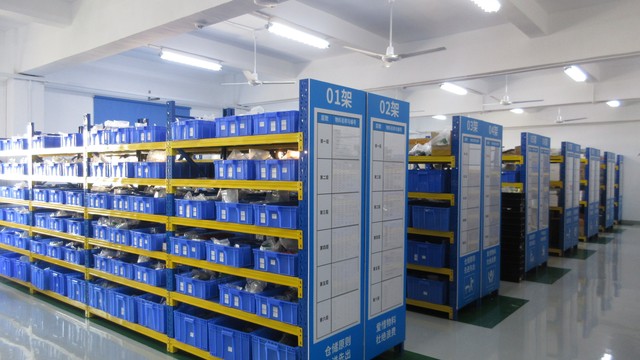
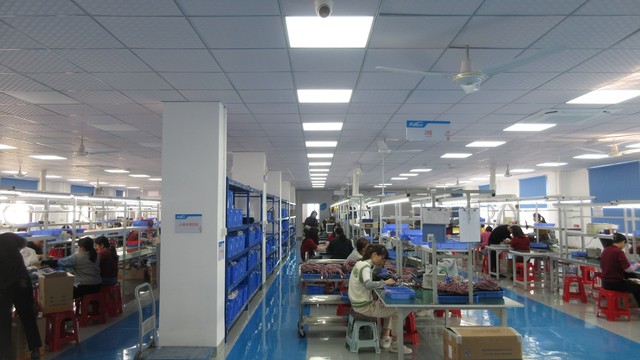
Shenzhen DCI Autos Co., Ltd. stands as a benchmark in the modern automotive supply chain. Strategically headquartered in Shenzhen—the global epicenter of electric transportation innovation—DCI Autos has cultivated a reputation for precision engineering and technological foresight. Since its inception in 2014, the company has expanded its footprint to 28,000 square meters, integrating Factory 4.0 principles to meet the rigorous demands of North American, European, and Asian markets.
The company’s focus extends beyond simple manufacturing; it is a center for OEM and ODM excellence. By specializing in integrated EV powertrain technologies, thermal management solutions, and high-voltage electrical assemblies, DCI Autos addresses the core "pain points" of hybrid vehicle design: weight reduction, energy density, and heat dissipation.
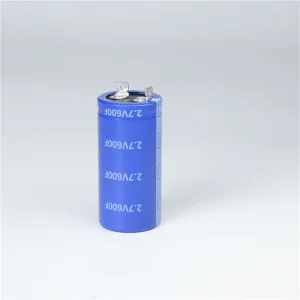
Transitioning from traditional lithium-ion to solid-state battery integration and high-performance capacitors for regenerative braking recovery. Suppliers are now focusing on maximizing kWh per kilogram to extend hybrid range.
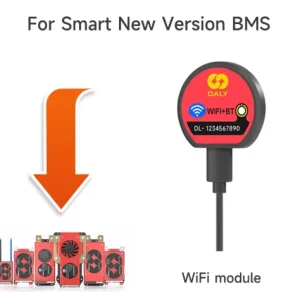
Moving from passive monitoring to predictive AI algorithms that manage state-of-charge (SoC) and state-of-health (SoH), ensuring battery longevity in the high-cycle environment of hybrid operation.
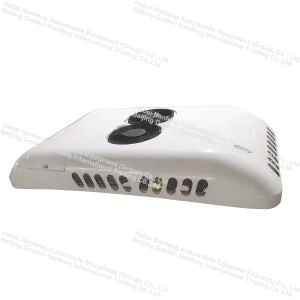
The convergence of cabin HVAC and battery cooling into a single, highly efficient heat pump system. Our NF cooling solutions lead the industry in reducing parasitic energy loss.
The "Made in China 2025" initiative has transformed factories like DCI Autos into high-tech hubs. Supply chain resilience is no longer a buzzword; it is a structural advantage built through geographic clusters. In Shenzhen, the proximity to semiconductor manufacturers, raw material processors, and logistics hubs allows for a "Just-in-Time" production model that minimizes lead times for global OEMs.
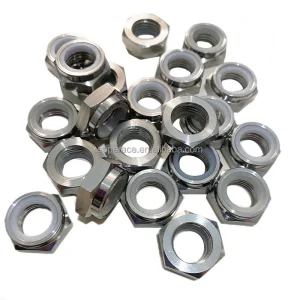
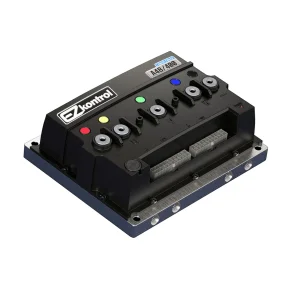
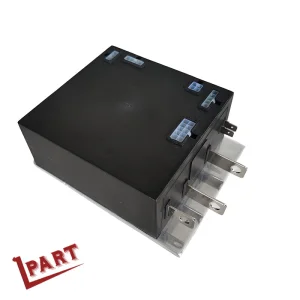
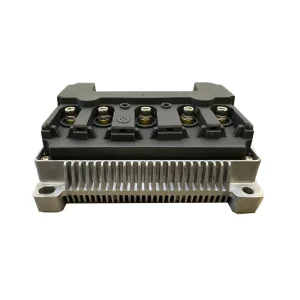
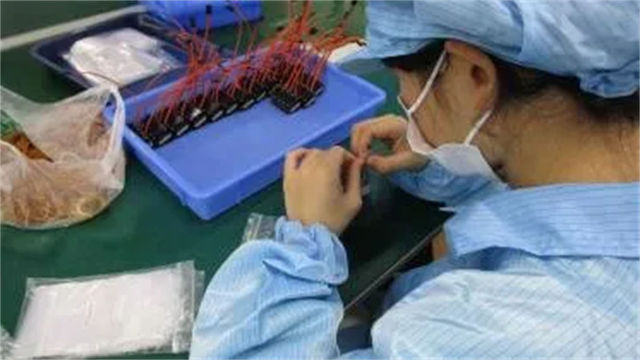
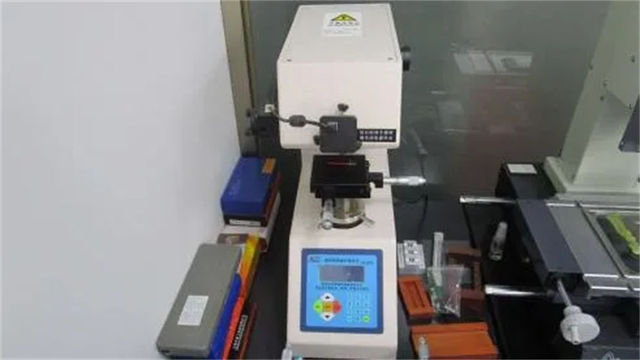
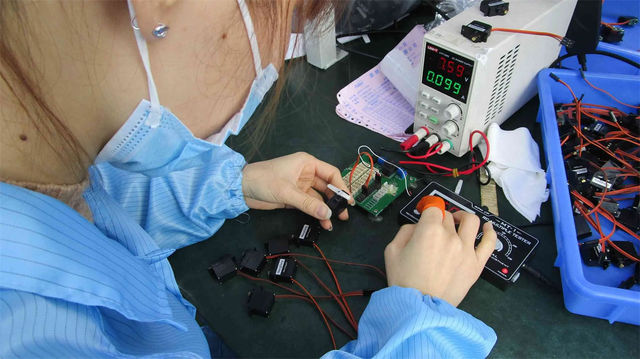
DCI Autos utilizes Automated Optical Inspection (AOI) and MES (Manufacturing Execution Systems) to track every component—from a GR5 Titanium nut to a 1000A motor controller—ensuring 100% traceability and compliance with global safety standards.
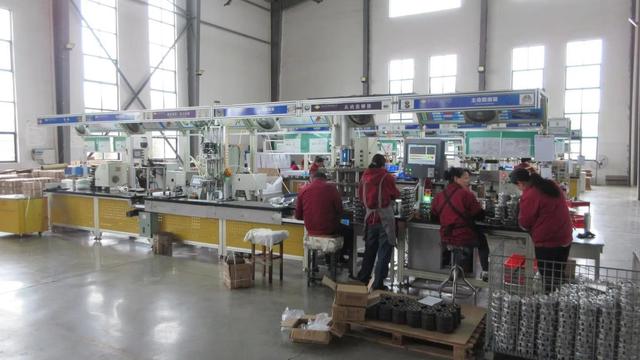
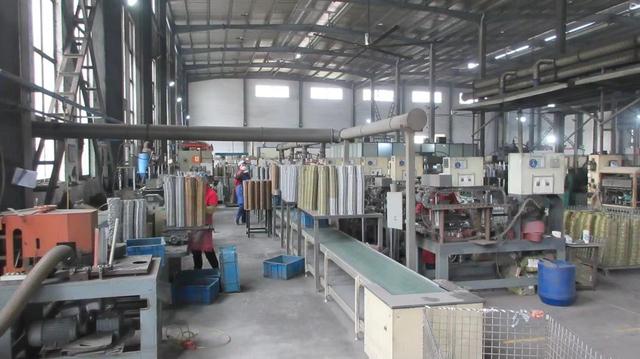
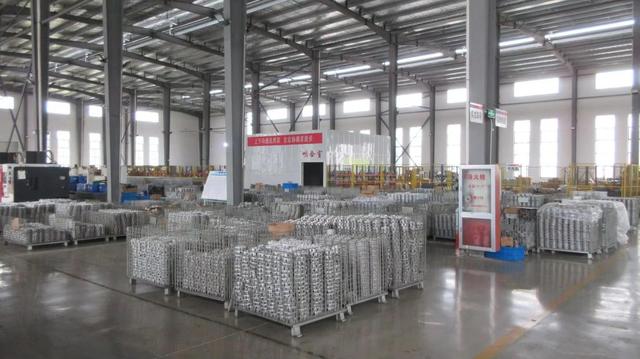
Leading suppliers today provide more than just parts; they provide Macro Solutions. This includes:
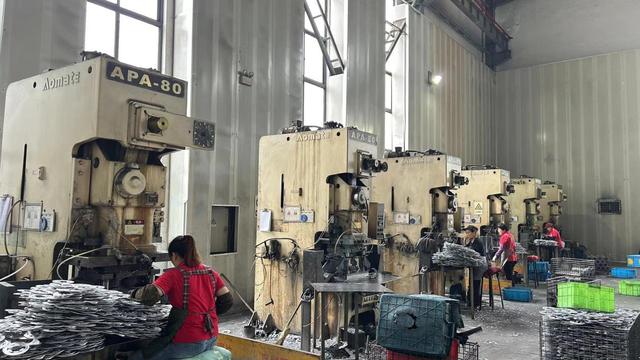
 DCI Autos