An analytical exploration of design, manufacturing compliance, localized market integration, and global supply chain networks for electric vehicles and heavy-duty grid infrastructures.
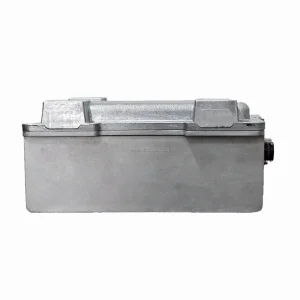
In modern electric vehicle (EV) ecosystems and utility-scale energy storage units, high-voltage power distribution constitutes the primary circulatory network. The core function of a high-voltage power distribution unit (PDU) or auxiliary distribution system is to safely and efficiently route energy from the primary battery storage array to major auxiliary consumers. These consumers include the electric traction motor, onboard chargers (OBC), DC-DC power converters, and thermal management units.
For critical applications, modern high-voltage power distribution centers operate at potential levels exceeding 600V DC to 1000V DC, and in premium passenger vehicles, up to 1500V DC. Operating at such parameters demands precise engineering to minimize resistance loss, mitigate structural electromagnetic interference (EMI), and prevent dielectric breakdowns. Components must integrate advanced circuit protection parameters, including fast-acting high-voltage fuses, pyro-switches, isolation monitoring circuitry, and contactors designed to safely connect and disconnect under load.
Continuous resistance monitoring between HV rails and vehicle chassis to detect micro-leakage currents instantly.
Extensive aluminum enclosures and shielded braided cable lines to shield communication lines from high-frequency noise.
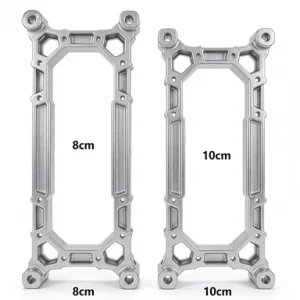
Optimized busbar geometries and thermal interface materials (TIM) ensuring uniform heat dissipation during high continuous current draws.
For global enterprises procuring power distribution assemblies, conformity with European directives (CE marking) is not merely a formality; it is a foundational safety benchmark. A CE-certified high voltage power distribution factory must ensure that all design paradigms satisfy the Low Voltage Directive (LVD) 2014/35/EU and the Electromagnetic Compatibility (EMC) Directive 2014/30/EU.
To achieve CE certification, high voltage PDUs undergo rigorous testing procedures:
| Compliance Standards | Primary Technical Requirements | Key Test Procedures | Global Markets Covered |
|---|---|---|---|
| LVD 2014/35/EU | Dielectric isolation, thermal containment, creepage distances | Hi-Pot testing, thermal cycle simulation | European Union, EEA, Associated Regions |
| EMC 2014/30/EU | Radiated and conducted emission levels, immunity from external noise | Anechoic chamber sweeps, surge test protocols | Global (recognized under IEC/CISPR frameworks) |
| ISO 26262 | Functional safety in automotive electrical and electronic systems | ASIL decomposition, fault tree analysis | North America, EU, Asia-Pacific OEM chains |
Integrating robust technical capabilities, Shenzhen DCI Autos Co., Ltd. stands as a key partner for global electrification projects. Established in 2014, the enterprise is strategically situated in Shenzhen, Guangdong Province, a global nexus for advanced electric transport systems and smart manufacturing.
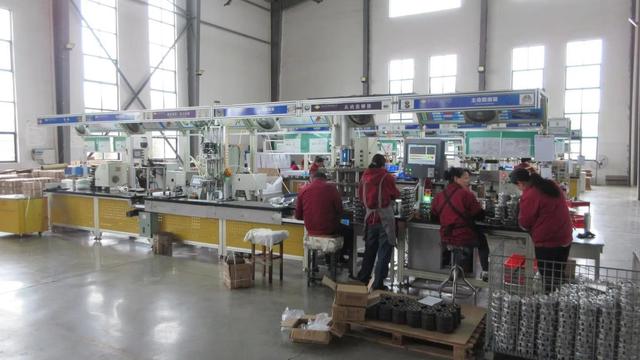
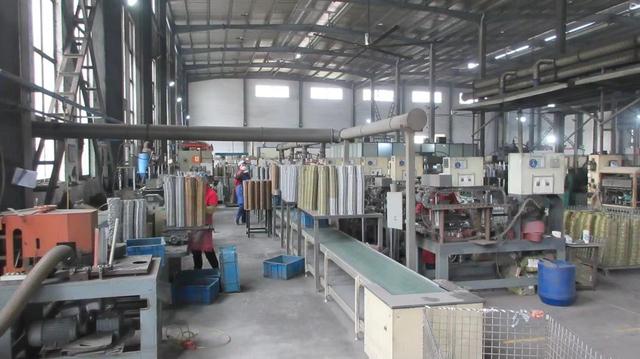
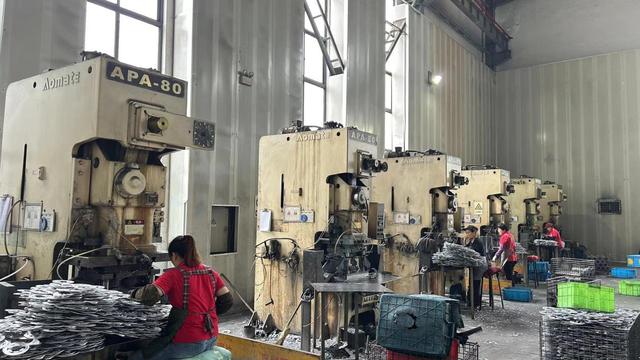
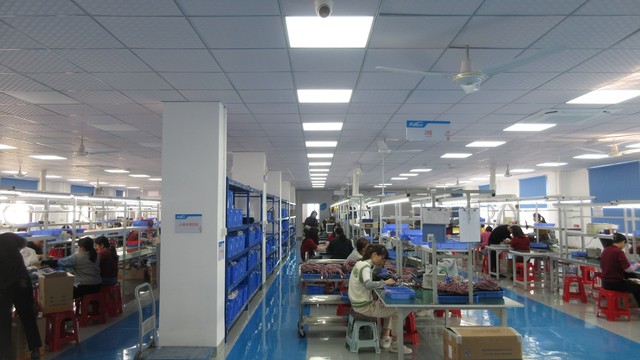
DCI Autos operates from a modern manufacturing plant encompassing 28,000 square meters and employs over 300 highly qualified professionals. This robust industrial base allows the company to support extensive vertical integration—ranging from design engineering, automated component stamping, precision high-speed CNC operations, to robotic final harness assembly and multi-level automated optical inspection (AOI).
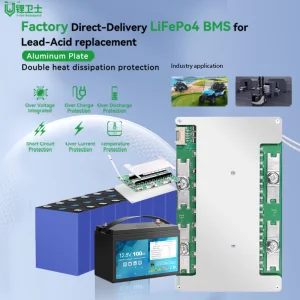
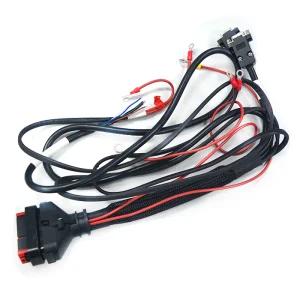
The comprehensive product portfolio engineered by DCI Autos includes automotive-grade battery systems, specialized power electronics, high-efficiency electric drivetrain modules, digital battery management systems (BMS), high-speed charging components, thermal control units, and customized high-voltage power distribution blocks. DCI Autos provides bespoke OEM and ODM services to adapt components to customer specifications, including custom enclosure designs, functional safety integrations, and optimization of power density.
Procuring power distribution assemblies for international deployment introduces complex localized challenges. A product standard that satisfies domestic needs might fail to meet European CE markers, US UL ratings, or Japanese PSE frameworks.
To address these challenges, advanced factories implement localized compliance and customization protocols:
Ensuring charging and power distribution systems match localized grid dynamics, voltage limits, and grounding configurations (TT, TN-S, IT grid lines).
Designing specialized environmental sealing and heating/cooling systems for harsh locales, from humid regions in Southeast Asia to frozen winter conditions in Nordic Europe.
Designing components to meet local standards, such as FCC Part 15 in the US, ECE R100 in Europe, and GB/T requirements in China, using pre-validated sub-assemblies.
The dominance of China-based high voltage distribution factories stems from an integrated industrial ecosystem. China provides an advanced network of raw material suppliers, component vendors, and specialized technical expertise, allowing companies like DCI Autos to optimize lead times and lower material overheads without compromising quality.
Key factors driving this supply chain advantage include:
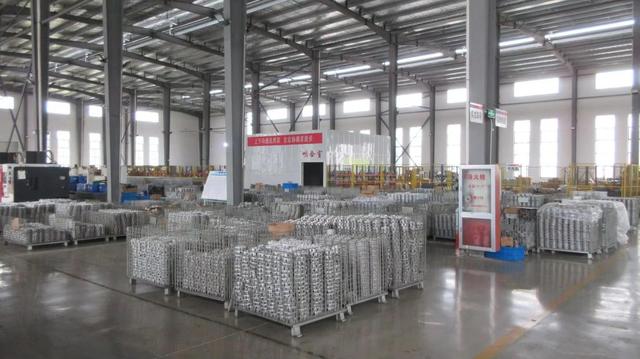
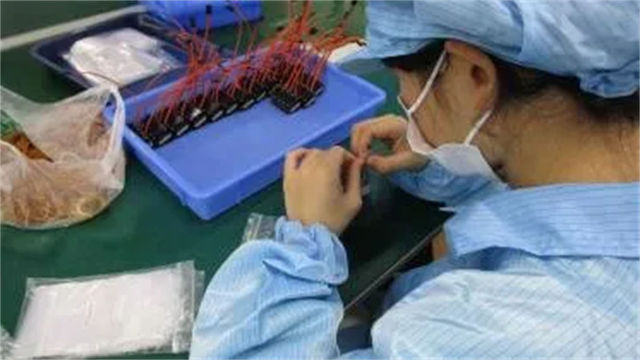
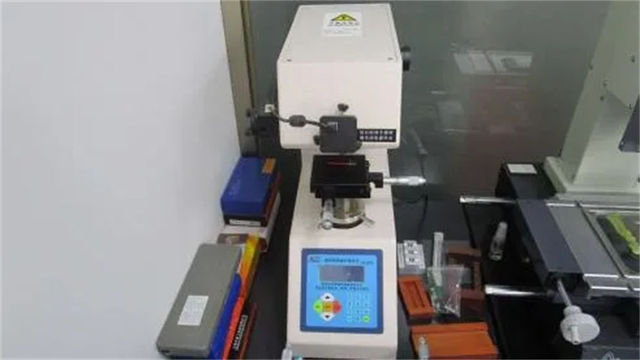
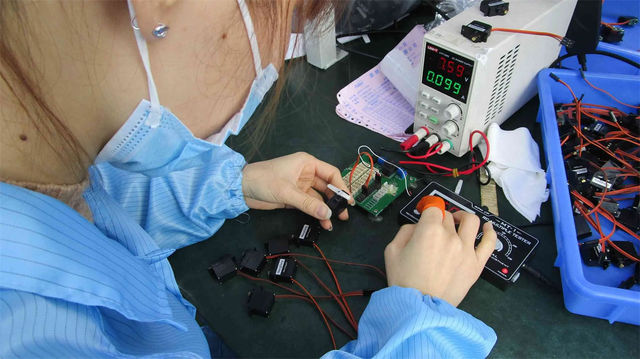
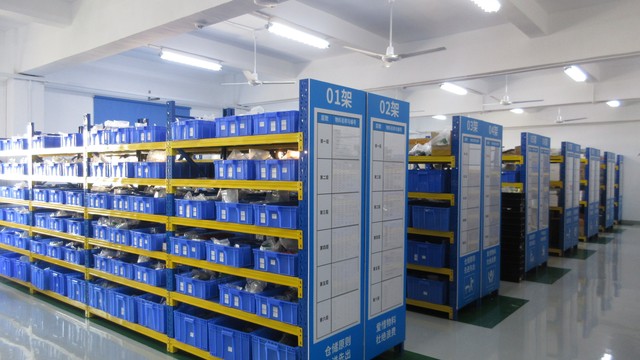
Below is a structured view of our advanced production lines, machining areas, and specialized quality verification setups at DCI Autos. These facilities ensure that all high-voltage and e-mobility systems meet safety, efficiency, and long-term reliability standards:
CE compliance requires adherence to the Low Voltage Directive (LVD 2014/35/EU) and the EMC Directive (2014/30/EU). Key metrics include dielectric isolation capabilities (tested with high-potential insulation up to 3000V AC), creepage and clearance distances matching EN 60664-1 parameters, thermal runaway mitigation, and high electromagnetic immunity levels to protect local low-voltage signaling logic.
DCI Autos employs comprehensive quality systems across its 28,000 square meter facility. Each product undergoes environmental testing, automated optical inspection (AOI), X-ray weld auditing, and functional simulation inside our engineering labs before shipping. Additionally, we integrate automotive-grade battery management systems (BMS) with built-in diagnostic and logging software to continuously monitor unit health.
Localization ensures systems are tailored to the regulatory, mechanical, and climate realities of the destination market. For instance, North American networks require specific grounding profiles (NEC and UL standards), whereas European and Asian projects focus on CE, IEC, and localized grid rules. Customizations such as anti-condensation heaters or specific connectors are also vital to maintain reliability in extreme environments.
Thermal management uses structural simulations to optimize busbar thickness and layout, reducing electrical resistance. High-conductivity thermal interface materials (TIM) are placed between elements and the outer enclosure to draw heat away, while active cooling channels and temperature sensors integrate with the BMS to trigger protective disconnects if temperature thresholds are breached.
 DCI Autos