How to Understand the Importance of Thermal Management in EVs?

Time:2026-06-28 Author:Mason
0%

In the rapidly evolving world of electric vehicles (EVs), understanding why is thermal management important in electric vehicles cannot be overstated. The efficiency and longevity of EV battery systems directly depend on effective thermal regulation. Batteries can become inefficient if they overheat. This can lead to reduced performance and even safety concerns. Many drivers may not realize how temperature fluctuations impact their vehicle's range and reliability.

Thermal management isn't just a technical issue; it intertwines with user experience. For instance, an overheated battery may struggle to deliver power in critical driving situations. This affects overall trust in the vehicle. Additionally, robust thermal systems can enhance the vehicle's lifespan, benefiting both consumers and manufacturers. Yet, the complexity of these systems can lead to misunderstandings. The challenge lies in balancing performance with thermal control.

Exploring this crucial aspect provides insights into EV design and its future implications. It's a reminder that even advanced technologies are not without flaws. Awareness of thermal management can drive better decisions for vehicle maintenance and usage. As the industry grows, the importance of understanding thermal dynamics becomes increasingly vital.
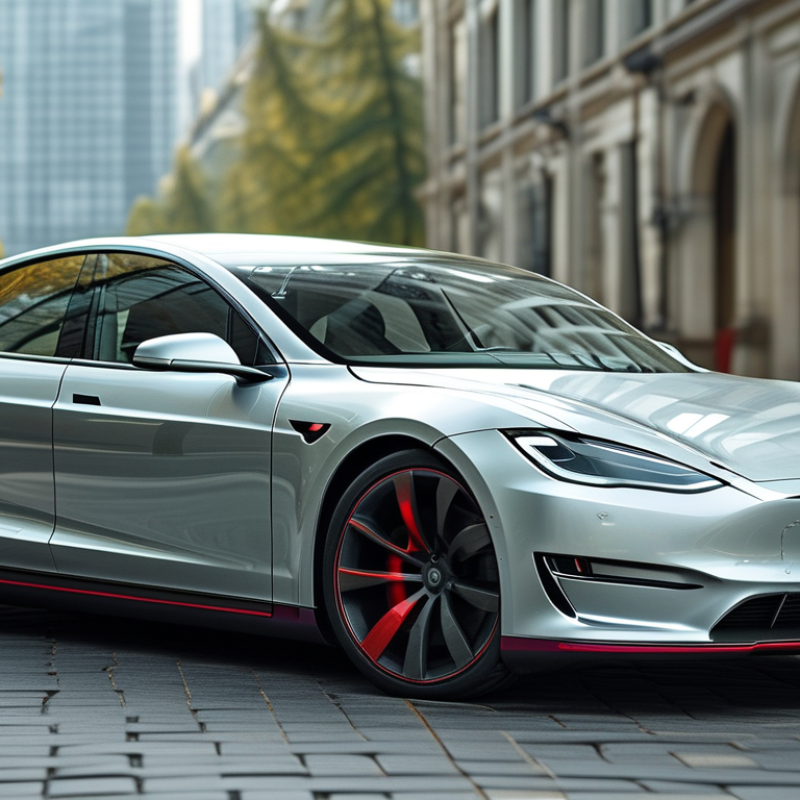
How to Understand the Importance of Thermal Management in EVs?

The Role of Thermal Management in Electric Vehicles

Thermal management plays a critical role in electric vehicles (EVs). Effective thermal regulation affects battery performance and vehicle range. Batteries operate best within certain temperature limits. Too hot or too cold can lead to reduced efficiency. A cooling system is often necessary to maintain optimal temperatures. This helps in prolonging the battery life and improving safety.

In EV design, heat is generated not just by batteries but also by motors and electronic components. Insufficient thermal management can cause overheating. Overheating leads to energy loss and might even damage the vehicle's systems. Engineers must continually innovate. They need to find reliable ways to manage this thermal energy.

However, achieving perfect thermal management poses challenges. Systems can be complex and expensive to install. The weight of cooling systems might affect the overall vehicle efficiency. Not every solution is foolproof; real-world conditions can vary greatly. Each vehicle's design needs thoughtful consideration to balance performance and safety effectively. Understanding these nuances is essential for the future of electric mobility.

Importance of Temperature Control for Battery Performance

Effective temperature control is crucial for maximizing battery performance in electric vehicles (EVs). Batteries generate heat during charge and discharge cycles. If this heat is not managed properly, it can lead to efficiency losses and reduced lifespan. The optimal operating temperature for lithium-ion batteries is typically between 20°C and 25°C. Beyond this range, performance can decline sharply.

Thermal management systems actively regulate battery temperature. These systems use liquid cooling or air cooling to dissipate excess heat. Active cooling is often more efficient but also adds weight and complexity. Passive systems are simpler but may not be sufficient in extreme conditions. This creates a dilemma: finding the right balance between efficiency and system complexity can be challenging.

The reality is, many EV designs struggle with this balance. Some may prioritize cost savings over optimal temperature control. Others may over-engineer cooling systems, adding unnecessary weight. Both approaches pose risks. Effective thermal management requires careful consideration and testing. Understanding battery behavior under various conditions remains an area for continuous improvement in EV technology.

How to Understand the Importance of Thermal Management in EVs? - Importance of Temperature Control for Battery Performance

Temperature Range (°C) Battery Performance (%) Cooling Method Impact on Lifespan (Years)
-20 to 0 65% Passive Cooling 5
0 to 25 85% Liquid Cooling 10
25 to 45 90% Active Cooling 12
45 to 60 75% Refrigerant Cooling 7
Above 60 50% Ineffective Cooling 3

Impact of Thermal Management on EV Efficiency and Range

Electric vehicles (EVs) heavily rely on effective thermal management. Proper thermal control directly impacts efficiency and driving range. According to a study by the Lawrence Berkeley National Laboratory, temperature fluctuations can affect battery performance by up to 30%. As batteries heat, their chemical reactions speed up, leading to quicker degradation. This reveals a critical area for improvement.

Cooling systems aim to keep battery packs at optimal temperatures. Data from the International Energy Agency indicates that efficient thermal management can increase the range of EVs significantly—up to 15%. This efficiency is crucial, especially in hot climates where performance may decline due to overheating. Without adequate cooling, drivers can face reduced range and frequent recharging.

Current thermal management systems have room for growth. Many designs still struggle to balance cost and efficiency. As EV technology develops, innovative solutions like phase change materials are emerging. However, widespread adoption remains a challenge. Future research and investment are essential for maximizing the benefits of thermal management, potentially increasing EV range and efficiency even further.

Technologies and Techniques for Effective Thermal Management

Effective thermal management is crucial for electric vehicles (EVs). As the market for EVs grows, so does the need for advanced cooling and heating solutions. According to a report from Frost & Sullivan, proper thermal management can improve battery efficiency by up to 30%. This directly impacts the vehicle's range, performance, and longevity, demonstrating its significance.

There are several technologies that enhance thermal management in EVs. Active thermal management systems use liquid cooling to regulate battery temperature. Passive thermal management relies on materials that absorb heat. Both methods have their pros and cons. Active systems can be more efficient but may add weight. Passive systems are lighter but can struggle in extreme conditions.

Tip: Regularly check the thermal management system during maintenance to ensure optimal performance. A malfunctioning system can lead to overheating, impairing safety and efficiency.

Advanced methods like phase change materials (PCMs) are gaining traction. They absorb excess heat during operation and release it when needed. This can stabilize battery performance, particularly in extreme weather. However, integrating these materials is complex and requires careful design consideration.

Tip: Consider climate on battery performance. Extreme temperatures can reduce battery life and efficiency. Understanding these nuances can enhance overall vehicle design and user experience.

Future Trends and Innovations in EV Thermal Management Solutions

In the evolving landscape of electric vehicles (EVs), thermal management is crucial. According to a recent report by the International Energy Agency, properly managed thermal systems can enhance battery life by up to 30%. This highlights the critical need for innovative solutions in managing heat.

Emerging technologies focus on liquid cooling systems, which are becoming popular due to their efficiency. Recent studies show that these systems can reduce battery temperatures significantly, preserving performance and safety. However, challenges remain in optimizing weight and space. As innovations progress, new materials like phase change materials are being researched to improve thermal regulation. These solutions present exciting possibilities but require further validation.

The future of thermal management also looks towards AI-driven systems for real-time monitoring. By analyzing data, these systems can dynamically adjust cooling at any time. Yet, reliability remains a concern, as predictive algorithms must contend with a myriad of variables. Ensuring these systems perform under various conditions raises questions about their long-term viability. Nonetheless, the push for better thermal solutions in EVs will undoubtedly shape the industry's future.

FAQS

: Why is thermal management important for electric vehicles?

: It improves battery efficiency by up to 30%, impacting range, performance, and longevity.

What is an active thermal management system?

It uses liquid cooling to regulate battery temperature and ensure optimal performance.

What are the downsides of active thermal management systems?

They can be more efficient, but they may add weight to the vehicle.

How does passive thermal management differ from active systems?

Passive systems rely on materials that absorb heat, but may struggle in extreme conditions.

What are phase change materials (PCMs)?

They absorb and release heat, helping stabilize battery performance in varying temperatures.

What maintenance tip is crucial for thermal management systems?

Regularly check the system to avoid overheating and ensure safety and efficiency.

How do extreme temperatures affect battery performance?

They can reduce battery life and efficiency, emphasizing the importance of climate awareness.

What future trend is emerging in thermal management for EVs?

AI-driven systems will monitor and adjust cooling, enhancing performance but raising reliability concerns.

What challenges exist with liquid cooling systems?

Optimizing weight and space remains a hurdle for effective implementation.

What reflects the ongoing need for innovation in thermal management?

The continuous search for better materials and solutions underscores the industry's evolution.

Conclusion

Effective thermal management is crucial in electric vehicles (EVs) due to its significant impact on battery performance, efficiency, and overall range. Understanding why thermal management is important in electric vehicles highlights the necessity of maintaining optimal temperatures to enhance battery life and ensure safety. Elevated temperatures can degrade battery performance, leading to reduced operational efficiency and diminished driving range.

Innovative technologies and techniques in thermal management are essential for optimizing heat distribution and ensuring that batteries operate within their ideal temperature range. Future trends indicate a growing emphasis on advanced materials and systems that can further improve thermal control, ultimately enhancing the performance and sustainability of electric vehicles. As the EV market continues to expand, effective thermal management will play a vital role in shaping the next generation of electric mobility solutions.

Mason

Mason

Mason is a seasoned marketing professional with a deep expertise in the company's offerings and a passion for driving brand awareness. With a strong background in digital marketing strategies, he has an innate ability to connect with diverse audiences and effectively communicate product benefits.......