How Do Power Electronics Enhance EV Performance in China Top 10?

Time:2026-08-21 Author:Sienna
0%

As the electric vehicle (EV) market in China continues to expand, understanding "how do power electronics improve EV performance" becomes crucial. Power electronics play a vital role in the efficiency, reliability, and effectiveness of EVs. By optimizing energy conversion and management, these systems enhance vehicle performance significantly.

For instance, advanced power converters can increase the efficiency of battery charging. They reduce energy loss, allowing for quicker charging times. Moreover, they contribute to better energy distribution during driving, which can lead to extended vehicle range. Yet, challenges remain in the development and integration of these technologies. Manufacturers must navigate complexities in design and cost-effectiveness.

These advancements also affect vehicle dynamics. Improved power control allows for smoother acceleration and better handling. However, these innovations must be balanced with user demands and safety standards. The journey to achieving optimal performance through power electronics is ongoing, and collaborative efforts are needed in the industry.
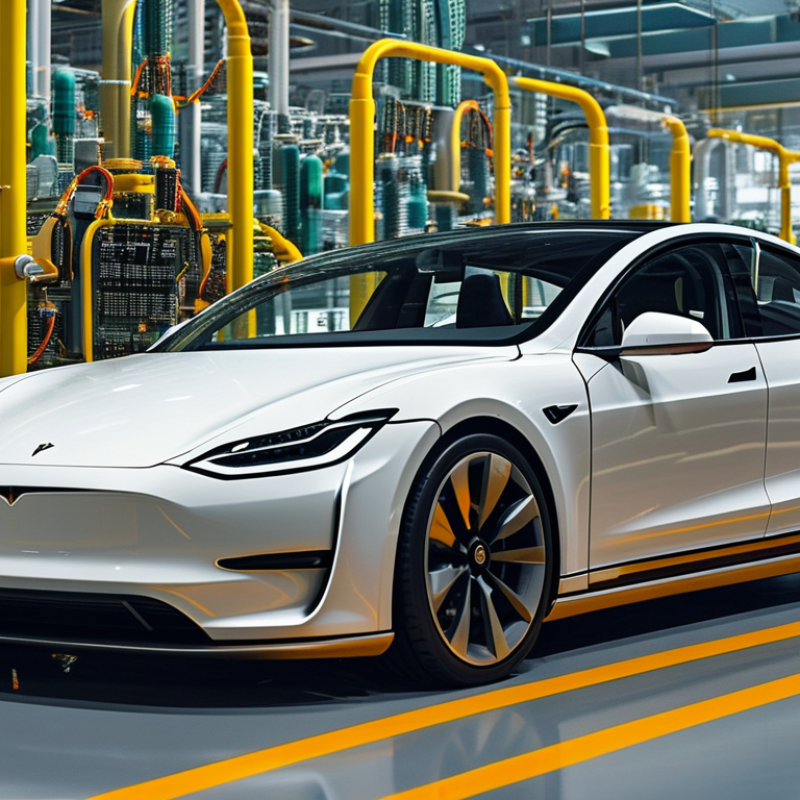
How Do Power Electronics Enhance EV Performance in China Top 10?

The Role of Power Electronics in Electric Vehicles' Efficiency

Power electronics play a vital role in enhancing the efficiency of electric vehicles (EVs). In the context of China's rapidly growing EV market, the integration of advanced power electronics can dramatically affect energy consumption. According to a recent report from the International Energy Agency, EVs equipped with efficient power electronics can boost overall performance by up to 30%. This improvement translates directly into longer driving ranges and quicker charging times.

Modern electric vehicles rely heavily on components like inverters and converters, which manage and control the flow of energy. These components are crucial for optimizing the vehicle’s energy use. Research shows that effective heat management in power electronics can extend battery life by up to 20%. Engineers focus on reducing energy losses in these systems, making EVs more attractive to consumers who are increasingly environment-conscious.

Here are some considerations for aspiring EV manufacturers. Ensure that power electronics are designed with robust thermal management systems. Also, prioritize lightweight materials to enhance efficiency without compromising strength. Finally, ongoing testing and validation of components can help in identifying and reducing inefficiencies. EV manufacturers must remain proactive in addressing these challenges to maintain competitiveness.

Key Power Electronics Technologies Used in China's Top 10 EVs

Power electronics play a crucial role in enhancing electric vehicle (EV) performance. In China, the integration of advanced power electronics technologies is shaping the future of the automotive industry. These innovations dramatically improve energy efficiency and vehicle responsiveness. Notably, components like inverters, converters, and battery management systems direct the flow of power between the battery and the electric motor.

Control algorithms in these systems allow for precise management of energy distribution. This leads to improved acceleration and regenerative braking. Electric motors paired with advanced inverters enable smoother driving experiences and better adaptability to various driving conditions. However, the reliance on power electronics also raises concerns about thermal management and reliability over time. Challenges related to heat dissipation may hinder optimal performance in extreme environments, requiring continuous innovation in cooling technologies.

Battery management systems are critical in maintaining battery health. They ensure optimal charging and discharging cycles, which is vital for longevity. Yet, complexities in balancing energy across cells can pose risks. Manufacturers must continuously evaluate these systems for reliability. The journey ahead is promising, but it also demands critical reflections on these challenges.

Impact of Power Electronics on EV Performance Metrics

Power electronics play a crucial role in enhancing the performance of electric vehicles (EVs). In the competitive EV market of China, these technologies significantly impact critical performance metrics such as efficiency, acceleration, and energy management. A well-designed power electronics system can optimize the energy conversion process from the battery to the electric motor, resulting in improved overall efficiency.

One notable aspect of power electronics is their ability to manage heat. Efficient thermal management ensures that the components remain within optimal temperature ranges. This directly influences the reliability and longevity of the EV. However, some power electronics systems can underperform in extreme temperatures. It's essential to consider the environmental factors when designing these systems.

The integration of advanced power electronics can also enhance vehicle responsiveness. With precise control over motor functions, drivers experience smoother acceleration and deceleration. Yet, the added complexity can lead to potential reliability issues. Manufacturers must balance performance enhancements with the need for dependable systems. Innovations in this field show promise, but they must be thoroughly tested to address these uncertainties.

Challenges and Innovations in Power Electronics for EV Development

Power electronics play a crucial role in enhancing electric vehicle (EV) performance, particularly in China. However, the journey is fraught with challenges. One major issue is thermal management. As power electronics generate heat, maintaining optimal temperature is essential. Efficient cooling systems are needed. If not managed properly, temperature fluctuations can harm components, impacting overall vehicle reliability.

Innovations in power conversion technology can help address these issues. For instance, wide-bandgap semiconductors offer higher efficiency and power density. They allow for lighter and more compact designs. Yet, integrating new technologies can be difficult. Engineers often need extensive testing and validation. This process can extend development timelines.

When working on power electronics, consider these aspects. Reliability is key; design for durability under varied conditions. Prioritize testing in real-world scenarios to identify potential failure points. Continuous learning and adaptation are critical. Addressing these challenges opens doors for significant advancements in EV technology.

Future Trends of Power Electronics in the Chinese EV Market

The future of power electronics in China's electric vehicle (EV) market shows immense potential. As technology advances, power electronics will play a vital role in enhancing vehicle efficiency. They help improve energy management systems, which directly impacts the overall performance of EVs. More efficient systems can lead to longer ranges and quicker charging times.


Recent trends indicate a strong push towards integrating silicon carbide (SiC) and gallium nitride (GaN) technologies. These materials enable higher efficiency and lower heat generation. However, challenges remain. Implementation costs and scalability are essential discussion points among industry experts. Manufacturers must balance innovation with affordability.


Additionally, the increasing demand for renewable energy sources is shaping future trends. Power electronics can facilitate better energy transfer from these sources to EVs. However, the grid must evolve simultaneously. An underdeveloped infrastructure could hinder progress. Continued collaboration between tech companies and governments will be crucial for overcoming these obstacles.

FAQS

: What is the role of power electronics in electric vehicles?

: Power electronics enhance EV performance by optimizing energy conversion from the battery to the motor.

How do power electronics affect vehicle efficiency?

They improve overall efficiency, impacting metrics like acceleration and energy management positively.

Why is thermal management important in power electronics?

Maintaining optimal temperature is essential for reliability and longevity of EV components.

What happens if thermal management fails?

Improper temperature control can harm components and reduce overall vehicle reliability.

What is a challenge in integrating new power electronics technologies?

Engineers must conduct extensive testing to ensure reliability and performance, which can delay development.

What innovations can help improve power electronics?

Wide-bandgap semiconductors offer higher efficiency and power density, enabling lighter designs.

Are there any drawbacks to complex power electronics systems?

Increased complexity may lead to reliability issues, which need careful consideration during design.

How can manufacturers ensure their systems are dependable?

They should balance performance enhancements with rigorous testing in real-world scenarios.

What should be prioritized in power electronics design?

Reliability and durability under varied environmental conditions must be top priorities.

What is vital for advancing EV technology?

Continuous learning and adaptation in response to challenges are crucial for making significant progress.

Conclusion

Power electronics play a crucial role in enhancing the performance of electric vehicles (EVs), particularly in the context of China’s top 10 models. They significantly improve EV efficiency by optimizing power management and enabling better energy conversion processes. Key technologies, such as advanced inverters and battery management systems, are integral in facilitating this efficiency, leading to improved performance metrics such as acceleration, range, and overall energy consumption.

However, the development of power electronics does face challenges, including thermal management and the need for higher reliability. Innovations aimed at overcoming these obstacles are essential for continued progress in the EV sector. Looking ahead, the evolution of power electronics promises to propel the Chinese EV market forward, demonstrating how do power electronics improve EV performance while addressing the increasing demand for sustainable transportation solutions.

Sienna

Sienna

Sienna is a skilled marketing professional with a deep expertise in our company’s core products and services. With a passion for innovation and detail, she plays a pivotal role in crafting insightful blog posts that not only highlight the unique features of our offerings but also provide valuable......