As the automotive industry pivots to more sustainable solutions, understanding why is lightweight design important for electric vehicles becomes crucial. Electric vehicles (EVs) are built on principles that prioritize efficiency. A lighter vehicle uses less energy, allowing for greater range and improved performance. This efficiency is vital in attracting consumers who prioritize sustainability without sacrificing convenience.
In the quest for lighter materials, manufacturers explore advanced composites and innovative designs. For instance, the use of aluminum and carbon fiber can significantly reduce weight. However, these materials often come with high costs and complex manufacturing processes. The balance between weight and affordability remains a topic of debate across the industry.
Despite these challenges, the push for lightweight designs continues to gain momentum. Reducing weight can lead to enhanced handling and safety, offering tangible benefits to drivers. Nonetheless, some industry experts argue that an overemphasis on weight reduction might compromise structural integrity. As electric vehicle technology evolves, navigating these complexities will be key to achieving optimal design.
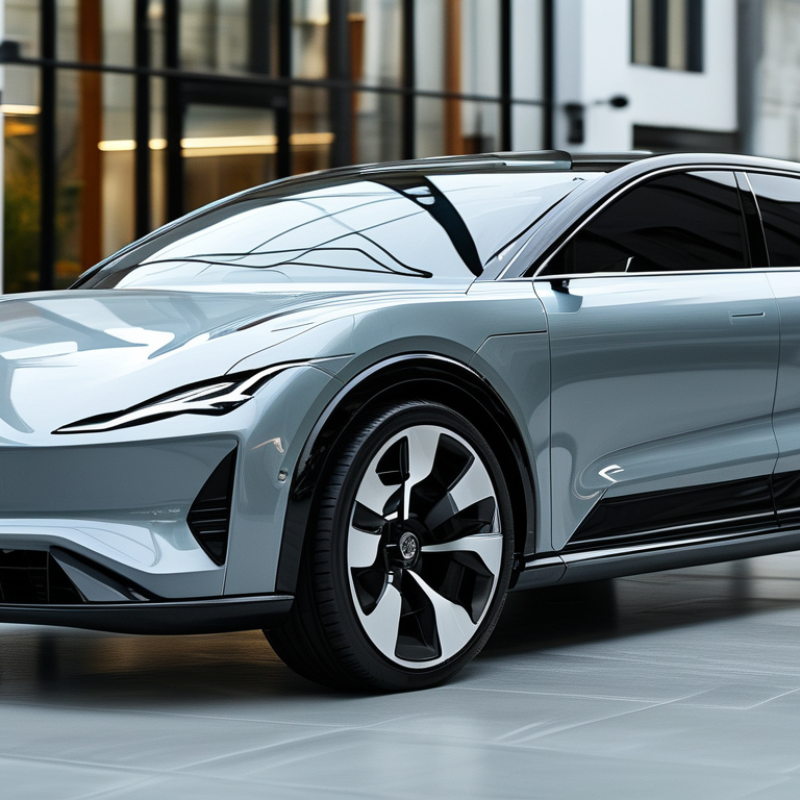
Lightweight design is essential for electric vehicles (EVs) to enhance efficiency and performance. Studies show that reducing vehicle weight improves range by 1% for every 10% weight reduction. With EVs, every kilogram counts. A lighter vehicle not only needs less energy but also accelerates faster. This is critical as EV users expect quick responses and efficiency.
Battery efficiency also benefits from lightweight designs. A report from the International Energy Agency highlights that if EVs could shed around 15% of their weight, they could improve battery life and reduce charging frequency. This means users can worry less about range anxiety, a common concern among potential buyers.
Tips: To maximize efficiency, consider materials such as carbon fiber or aluminum. These reduce weight without sacrificing strength. Pay attention to every component, even small parts, as they contribute to overall performance. Regular assessments of vehicle weight can help identify opportunities for improvement.
This chart illustrates the relationship between the weight of electric vehicles and their range. As the weight increases, the range tends to decrease, highlighting the significance of lightweight design in enhancing electric vehicle efficiency.
Lightweight design is a game changer for electric vehicles. Reducing weight enhances efficiency and extends battery life. A lighter vehicle requires less energy for acceleration. This leads to improved range and better performance. Utilization of materials like aluminum and carbon fiber is growing. These materials provide strength without adding bulk.
Battery technology is also affected by vehicle weight. Heavier cars need larger batteries, which can be expensive. By cutting down on weight, manufacturers can optimize battery size. A smaller battery can reduce costs and increase efficiency. This creates a win-win scenario for consumers and manufacturers alike.
However, achieving the perfect balance in lightweight design is challenging. Overly aggressive weight reduction can compromise safety. Engineers must carefully assess structural integrity while pursuing lightweight solutions. There is a constant need for innovation in this area. Each design decision must be backed by thorough testing and real-world applications. The quest for lightweight electric vehicles continues to evolve, requiring ongoing reflection and adaptation.
Lightweight design is crucial for electric vehicles (EVs). Reducing weight enhances efficiency and extends battery life. Engineers use various materials and techniques to achieve this goal. For instance, aluminum and carbon fiber are popular choices. These materials offer high strength-to-weight ratios, crucial for performance.
Additionally, advanced manufacturing techniques such as additive manufacturing are gaining traction. This method allows for designs that traditional methods cannot achieve. It's not just about using lighter materials; it's about how they are used. Every component must be carefully considered.
However, lightweight design poses challenges. Balancing cost and performance can be complex. Some lightweight materials may not be as resilient as traditional options. This can impact safety and longevity. Designers must continuously refine their approach. It's a work in progress as the industry learns more.
Lightweight design plays a crucial role in enhancing the performance of electric vehicles (EVs). One significant factor is its impact on battery life and range. According to a study by the International Council on Clean Transportation, reducing the weight of an EV by 10% can improve its range by approximately 6-7%. This is vital for EV manufacturers focused on maximizing consumer satisfaction and energy efficiency.
The materials chosen for lightweight design, such as carbon fiber and advanced aluminum alloys, significantly contribute to weight reduction. For example, a shift to these materials can lead to a weight reduction of 20-30%, translating to longer travel distances on a single charge. However, relying solely on lightweight materials can introduce challenges in production costs and durability. These factors require thoughtful consideration during the design phase.
Tip: Always evaluate the cost-benefit ratio when selecting materials for lightweight design. Balance weight savings with durability and overall vehicle performance.
Another aspect is aerodynamics. A lightweight vehicle paired with a streamlined shape can further enhance its range. Studies show that reducing drag by just 10% can lead to a 5% increase in efficiency. Nevertheless, striving for optimal design often entails trial and error. Continuous testing and refinement are essential to achieve the best outcome for battery life without compromising structural integrity.
Tip: Regular aerodynamic assessments during the design process can provide insights into potential improvements for efficiency. Adjusting shapes and surfaces may yield significant gains.
Lightweight design plays a crucial role in the electric vehicle (EV) sector. Reducing weight leads to improved energy efficiency and longer battery life. However, achieving this optimal lightweight design presents significant challenges. Engineers often grapple with selecting materials that provide strength without adding weight. Traditional materials may not suit this need effectively, leading to a search for innovative alternatives.
One effective approach is the use of advanced composite materials. These innovative options not only reduce overall weight but also enhance vehicle durability. Yet, the production processes for these materials can be complex. This complexity may lead to increased costs and time for manufacturers. Balancing these factors is essential for widespread adoption in the EV market.
**Tip:** Consider lightweight design not just as a goal, but a necessity. Analyze the trade-offs between cost and performance when choosing materials.
Another challenge lies in the integration of lightweight components without compromising safety. Many lightweight designs require rigorous testing to ensure they meet safety standards. The industry must continue to innovate, pushing the boundaries of design and engineering. Finding solutions to these challenges will shape the future of electric vehicles.
**Tip:** Always prioritize safety. Partner with experts who specialize in lightweight materials to navigate this intricate field effectively.
| Dimension | Value |
|---|---|
| Weight Reduction Goals (%) | 20-30 |
| Common Lightweight Materials | Aluminum, Carbon Fiber, Magnesium |
| Typical Weight of Electric Vehicle (kg) | 1500-2500 |
| Energy Efficiency Improvement (%) | 5-10 |
| Reduction in Battery Size (%) | 15-20 |
| Main Challenges in Lightweight Design | Cost, Safety, Manufacturing Processes |
| Innovative Techniques in Lightweight Design | Topology Optimization, Additive Manufacturing |
| Expected Lifespan of Lightweight Materials (years) | 10-20 |
: Lightweight design enhances efficiency and performance, improving range for every kilogram reduced.
Reducing weight by 15% can enhance battery life and lower charging frequency.
Carbon fiber and aluminum are effective, providing strength while minimizing weight.
A lighter EV uses less energy, accelerates faster, and has a longer range.
Yes, balancing weight reduction with safety and structural integrity is challenging.
Heavier cars require larger batteries, which can be expensive and less efficient.
Testing ensures safety standards are met without compromising vehicle integrity.
Yes, advanced composite materials may lead to higher costs due to complex production.
Continuous innovation is needed to overcome design challenges and improve EV efficiency.
They must analyze trade-offs between cost, performance, and safety in material choices.
Lightweight design is crucial for electric vehicles (EVs) as it directly influences their efficiency and overall performance. By reducing vehicle weight, manufacturers can enhance energy efficiency, leading to improved battery life and extended driving range. The article emphasizes the key benefits of lightweighting, such as better acceleration, handling, and reduced energy consumption, which are vital for maximizing the capabilities of electric cars.
Various materials and innovative techniques are explored in creating lightweight structures, including advanced composites and high-strength alloys. However, the journey toward optimal lightweight design presents challenges, such as balancing structural integrity and safety. Innovations in this field are essential to overcome these hurdles and fully realize the advantages of why lightweight design is important for electric vehicles. An effective lightweight strategy not only optimizes performance but also contributes to sustainability in the automotive industry.

DCI Autos