Electric vehicles (EVs) are revolutionizing the automotive industry. Understanding what affects electric vehicle component performance is crucial. Many factors influence how well these components function. These include battery technology, motor efficiency, and thermal management.
Battery performance significantly impacts EVs. A high-quality battery enhances range and charging speed. However, battery lifespan can vary. Temperature fluctuations and usage patterns may lead to performance decay.
Additionally, the electric motor plays a vital role. Its design and materials determine efficiency and power output. Yet, not all motors perform alike. Environmental conditions can hinder performance. Therefore, a comprehensive understanding is essential. As technology advances, continuous evaluation of these factors is necessary for improvement.
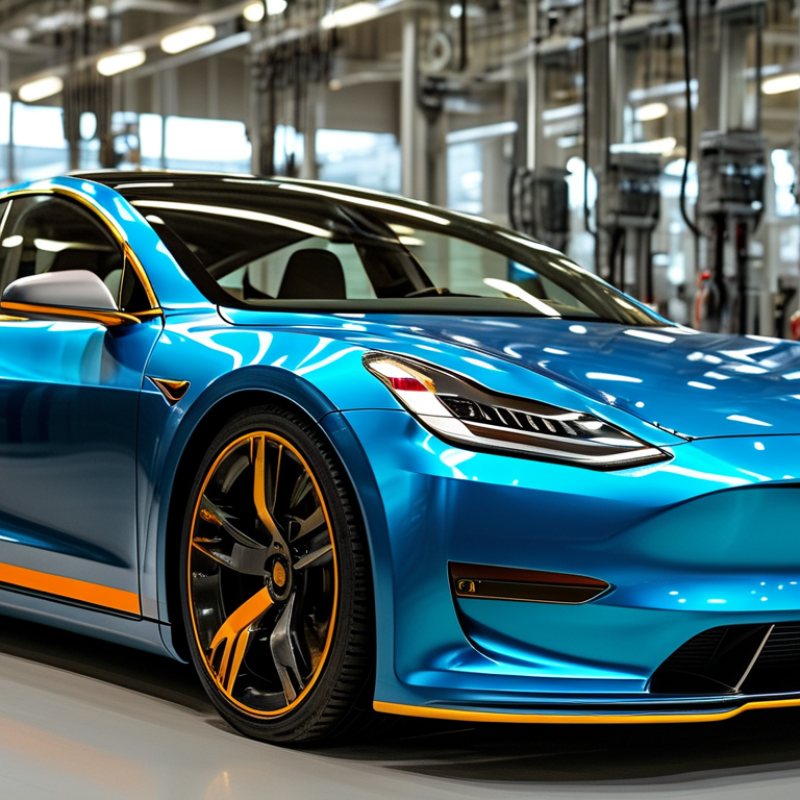
Battery performance in electric vehicles (EVs) is crucial for their efficiency and user experience. Several factors can influence how well these batteries function. Temperature is one such factor. Extreme heat or cold can reduce a battery's capacity. This affects range and charging times, which can be frustrating for users.
Battery chemistry also plays a significant role. Different materials impact energy density and lifespan. For example, lithium-ion batteries offer high energy density but may degrade faster than others under certain conditions. Regular monitoring of battery health can help identify issues early.
Tips: Keep your EV charged between 20% and 80% for optimal battery health. Avoid leaving your vehicle in extreme temperatures for prolonged periods. Regular maintenance can extend battery life and improve performance.
Charging habits are another critical aspect. Fast charging is convenient but can stress the battery. Gradual charging at lower power levels is often better for longevity. Track your charging patterns to find a balance between convenience and battery health.
Ultimately, understanding these factors allows for better use and longevity of EV batteries. It’s important to educate oneself on the best practices for maintaining battery performance.
The efficiency of electric vehicles (EVs) is heavily influenced by the design of their motors. A well-designed motor can enhance energy conversion, directly affecting the vehicle's range and performance. Key factors include rotor and stator geometry, magnetic materials, and cooling systems. Optimizing these components can lead to significant efficiency gains.
Motor design also poses challenges. Finding the right balance between size, weight, and power output can be complex. If a motor is too heavy, it can reduce the vehicle's overall efficiency. Designers must consider trade-offs, such as cost versus performance. The choice of materials can also affect durability and heat dissipation. These factors require careful evaluation and innovation.
Additionally, the advent of new technologies, like permanent magnet and induction motors, invites further examination. Each technology offers unique benefits and drawbacks. Engineers must stay aware of the latest research and trends to stay competitive. This field is constantly evolving, highlighting the importance of continuous learning and adaptation in motor design for electric vehicles.
Thermal management systems are crucial for electric vehicle (EV) component longevity. They help regulate the temperature of batteries, motors, and electronic components. Effective thermal management can prevent overheating, which is a significant risk in EV performance. Over time, excessive heat can degrade battery life and lead to costly replacements.
Managing heat involves careful design and material choices. For example, some systems use liquid cooling to draw heat away efficiently. Others rely on fans or passive cooling strategies. However, these methods come with challenges, such as added weight or complexity. These trade-offs need careful evaluation to achieve optimum performance.
Moreover, not all thermal management systems perform equally under different conditions. Factors like climate and driving habits can influence their effectiveness. In hot environments, even the best systems may struggle. This raises questions about the durability of EVs in extreme conditions. Future innovations in thermal management will be essential for improving overall reliability and performance in electric vehicles.
The performance of electric vehicles (EVs) heavily relies on the materials used in their components. Selecting the right materials affects weight, efficiency, and safety. For instance, lighter materials improve energy efficiency by reducing the overall mass of the vehicle.
Aluminum and composites are popular in EV design because they offer strength while being lightweight. However, these materials can be cost-prohibitive for some manufacturers.
Conducting tests on various material combinations reveals significant differences. While some materials excel in durability, they may not provide optimal thermal management. Battery performance, for instance, fluctuates based on temperature. Insufficient heat control can lead to inefficiencies or reduced lifespan. This inconsistency emphasizes the need for thorough research and testing.
Not all new materials are equally suited for every EV application. Innovative composites may promise strength and weight savings, yet they can introduce unforeseen challenges. Manufacturing methods must adapt to harness the full potential of these materials. Real-world experiences suggest that the journey toward improving EV component performance requires a balance between innovation and practicality.
The charging infrastructure plays a critical role in the performance of electric vehicles (EVs). According to a report by the International Energy Agency, a robust charging network can boost EV adoption by up to 20%. However, many regions still struggle with inadequate charging stations, which hampers convenience for users. The availability of fast-charging options can significantly reduce charging time. In fact, charging an EV can take anywhere from 30 minutes to several hours, depending on the power source.
Moreover, infrastructure influences drivers’ decisions. A survey by McKinsey found that nearly 70% of potential EV buyers cite charging convenience as a major concern. This highlights the need for strategic investment in charging stations. Solutions like mobile charging units and charging hubs in urban areas may address this issue. Despite advancements, there are still gaps in coverage that require reflection and improvement. A well-planned infrastructure not only enhances usability but also increases consumer confidence in electric vehicles.
Investing in charging facilities is not without challenges. Electric utilities must manage the increased demand on their grids. There's a fine balance to strike between investing in capacity and ensuring grid reliability. Policymakers need to collaborate with industry stakeholders to create standards for charging technology and build a sustainable ecosystem. Addressing these hurdles will be key to enhancing overall EV functionality.
| Factor | Description | Impact on Performance (1-10) |
|---|---|---|
| Battery Technology | The type and quality of the battery used, including capacity, durability, and recharge rate. | 9 |
| Charging Infrastructure | Availability and efficiency of charging stations, including fast charging capabilities. | 8 |
| Weight of Components | The overall weight of electric vehicle components affects efficiency and range. | 7 |
| Aerodynamics | The shape and design of the vehicle which can significantly affect energy consumption. | 6 |
| Software Optimization | The algorithms used for battery management and energy distribution. | 8 |
| Climate Conditions | Effects of temperature and weather on battery performance and overall vehicle range. | 5 |
| Driving Patterns | How different driving styles and routes can impact battery consumption. | 7 |
: Motor design enhances energy conversion, impacting vehicle range and performance. Key aspects include rotor and stator geometry.
Balancing size, weight, and power output is complex. Heavier motors can decrease overall vehicle efficiency.
Thermal management prevents overheating of batteries and motors, thus extending the lifespan of components.
Liquid cooling, fans, and passive strategies are common. Each comes with trade-offs like added weight.
Robust charging networks can increase EV adoption by 20%. Lack of charging stations limits user convenience.
Many potential buyers worry about charging convenience, with nearly 70% citing it as a major concern.
Performance varies based on climate and driving conditions, with extreme heat posing significant challenges.
The EV landscape is evolving, requiring engineers to stay informed about the latest technologies and trends.
They must manage increased demand while ensuring grid reliability and capacity.
Improvements are essential for enhancing EV reliability and performance, particularly under extreme conditions.
The performance of electric vehicle components is influenced by various critical factors, exploring what affects electric vehicle component performance. Key among these is battery performance, where factors such as chemistry, capacity, and management systems play pivotal roles in determining efficiency and range. Additionally, the design of the motor significantly impacts the overall efficiency and driveability of electric vehicles, ensuring optimal energy conversion.
Thermal management systems are essential for enhancing component longevity, as they regulate temperature and prevent overheating, which can degrade performance. Furthermore, the selection of materials used in manufacturing components affects weight, durability, and energy efficiency. Lastly, having an adequate charging infrastructure is vital for the overall functionality of electric vehicles, as it determines charging speed and accessibility, thereby influencing user convenience and adoption rates. Together, these factors create a comprehensive view of the elements that shape the performance of electric vehicles.

DCI Autos