Electric vehicles (EVs) are transforming the automotive landscape. As we move towards eco-friendly transportation, understanding what are electric vehicle components is essential. Key components include the battery, electric motor, and charging system. Each part plays a crucial role in how electric vehicles operate efficiently and sustainably.
The battery, often seen as the heart of an EV, stores energy for propulsion. Its technology is innovative but can be costly and complex. The electric motor converts electrical energy into mechanical energy, driving the wheels. This process may seem straightforward, but the motor’s efficiency can vary greatly depending on design and materials used.
Charging systems are another critical element, enabling the vehicle to draw energy from external sources. Fast charging stations are becoming more common, yet they are not universally available. There remains a need for improvement in infrastructure. Understanding what are electric vehicle components reveals a deeper picture of how these vehicles function. However, challenges such as range anxiety and battery disposal remind us that further work is necessary in this evolving industry.
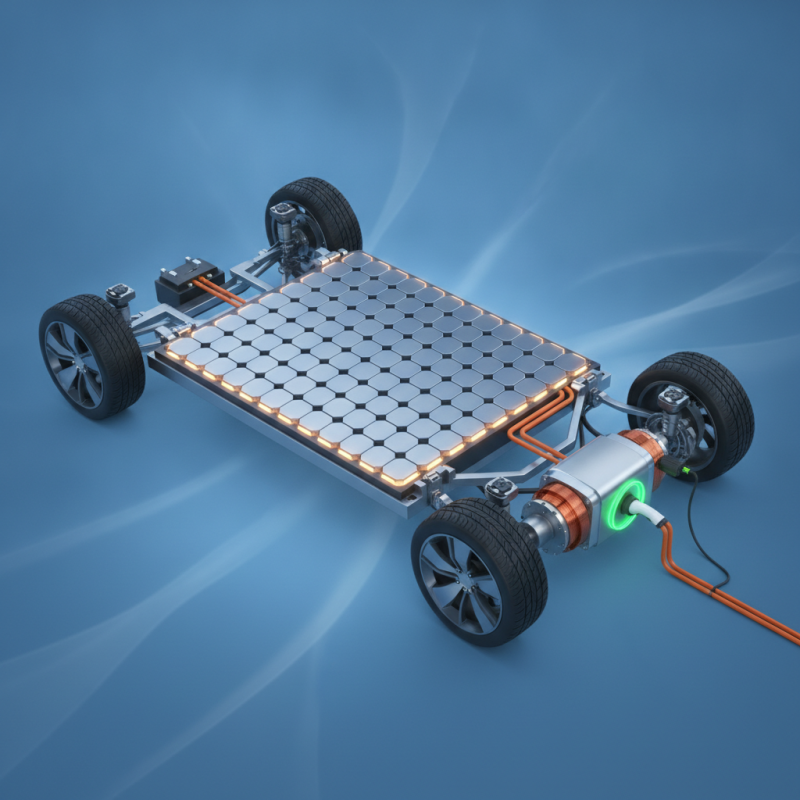
Essential Components of Electric Vehicles: An Overview
Electric vehicles (EVs) are revolutionizing transportation. What makes them tick? Understanding their essential components is crucial for anyone interested in the future of mobility.
At the heart of every EV is the battery. It stores energy converted from the grid or renewable sources. Not all batteries are created equal. Lithium-ion batteries dominate the market, but they do have limitations in terms of degradation over time.
Another key component is the electric motor, which converts electrical energy into mechanical power. Motors offer immediate torque, making EVs swift and responsive. However, they still require an efficient cooling system to maintain performance.
The power control unit is another critical element. It manages the flow of electricity between the battery and motor. Despite its importance, it often lacks sufficient attention in discussions about EVs. Proper thermal management systems must also be in place, ensuring the vehicle doesn’t overheat.
As technology advances, manufacturers continue to seek lighter materials and better designs to improve efficiency. These components collectively define the EV experience. Yet, understanding their complexities is essential for consumers and enthusiasts alike.
Electric Motor: Types, Efficiency, and Performance Metrics
Electric motors are the heart of electric vehicles (EVs). They convert
electrical energy into mechanical energy. There are several types of electric motors used in EVs. The most common
include brushed DC motors, brushless DC motors, and
AC induction motors. Each type has its own set of advantages
and disadvantages. For instance, brushless motors are known for their efficiency and durability.
Reports suggest they can achieve efficiency ratings above 90%.
There is still room for improvement in efficiency across all motor types.
Performance metrics are crucial for evaluating electric motors. Metrics include torque,
power output, and thermal management.
Torque is essential for acceleration, while power output affects top speeds. Research shows that many
EVs can deliver peak torque almost instantly. This feature differentiates EVs from traditional vehicles.
However, thermal management remains a challenge. High-performance motors can
overheat, impacting longevity and efficiency. Balancing performance with thermal regulation is an ongoing
conversation in the industry.
Despite advancements, electric motors aren't flawless. Battery state-of-charge
can impact motor performance and efficiency. As battery levels drop, performance may diminish. Additionally,
there are limitations in manufacturing scalable solutions for high-efficiency motors. The industry must continue
to innovate and address these challenges for a sustainable future in electric mobility.
Battery Technology: Energy Density, Capacity, and Cycle Life
Battery technology is a crucial component of electric vehicles.
Energy density defines how much energy a battery can store in a given volume.
Higher energy density means better range for vehicles.
Modern lithium-ion batteries typically offer energy densities between 150 and 250 Wh/kg.
This is a significant improvement over older technologies, but challenges remain.
Capacity, measured in kilowatt-hours (kWh), indicates how long a vehicle can run before needing a recharge.
Larger batteries can store more energy but can add weight. A trade-off exists between weight and range.
This balance is vital for manufacturers.
Cycle life is equally important. It refers to how many charge and discharge cycles a battery can endure before its capacity diminishes significantly.
Most lithium-ion batteries support between 500 to 1,500 cycles.
However, factors like temperature and charging habits can affect this lifespan.
Investing in better battery technology is a key focus for the industry.
Researchers explore new materials for improved safety and efficiency.
Understanding these aspects is essential for consumers and manufacturers alike.
The journey toward optimal battery performance is ongoing, with many areas ripe for improvement.
Power Electronics: Roles in Efficiency and Control
Power electronics are crucial in electric vehicles (EVs). They manage electricity flow between the battery, motor, and other components. This management affects overall efficiency, making it a vital aspect of EV design. A well-designed power electronics system reduces energy loss. This leads to increased driving range and improved vehicle performance.
The control strategies used in power electronics significantly influence how well an EV operates. Advanced control methods enhance motor response and efficiency. However, these systems can introduce complexities. Engineers must balance power efficiency with system reliability. A system that is too complex may face issues under different operating conditions. The challenge lies in optimizing these controls for various driving scenarios.
Engineers often assess trade-offs in power electronics. For instance, selecting components with high efficiency might increase costs. Some systems may perform well under specific conditions but falter in others. Continuous improvement in materials and designs is essential for progress. Addressing these imperfections helps create more reliable and efficient electric vehicles.
Charging Infrastructure: Types, Speed Ratings, and Global Standards
Charging infrastructure is a critical aspect of electric vehicles. Various types of charging stations exist to meet diverse needs. Level 1 chargers are standard household outlets. They are the slowest option, often taking hours to fully charge a vehicle. Level 2 chargers are more common in public areas. They offer faster charging times, typically around four to eight hours. Finally, DC fast chargers are designed for quick stops. They can charge a vehicle up to 80% in about 30 minutes, making them ideal for long journeys.
Speed ratings for these chargers can vary significantly. Level 1 chargers usually provide 1.4 kW, while Level 2 chargers can offer 3.7 kW to 22 kW. The DC fast chargers, on the other hand, can go above 50 kW. Understanding these ratings helps users select appropriate options for their needs. However, not all vehicles can handle high-speed charging, which can complicate decisions.
Global standards for charging connectors also play a part in charging efficiency. There isn't a universally accepted connector. This inconsistency can frustrate EV owners and limit accessibility. Countries are working to unify standards, yet challenges remain. This highlights an area needing improvement in the EV ecosystem. With advancements, it is crucial to ensure that infrastructure keeps pace with vehicle technology.
FAQS
: Power electronics manage electricity flow between the battery and motor, affecting overall efficiency.
Advanced control methods enhance motor response and efficiency but add complexity to the system.
High-efficiency components can increase costs, leading to challenging decisions for engineers.
Charging stations include Level 1, Level 2, and DC fast chargers, each serving different needs.
Level 1 chargers can take hours to fully charge a vehicle, as they are the slowest option.
Level 2 chargers offer charging times around four to eight hours, depending on usage.
Not all EVs are equipped to handle high-speed charging, complicating user choices.
Inconsistent charging connectors frustrate EV owners and limit accessibility, highlighting a need for improvement.
Infrastructure must keep pace with vehicle technology to ensure efficiency and accessibility.
Limited charging options and inconsistent standards create obstacles for EV adoption and convenience.
Conclusion
The article titled "What are the Essential Components of Electric Vehicles?" provides a comprehensive overview of the key elements that make up electric vehicles (EVs). It details the electric motor, highlighting various types and their efficiency and performance metrics, which are critical for understanding how EVs operate. Additionally, it explores battery technology, focusing on energy density, capacity, and cycle life, which directly influence the vehicle's range and longevity.
Another crucial component discussed is power electronics, which play a vital role in enhancing efficiency and enabling precise control of the vehicle's systems. The article also examines charging infrastructure, covering the different types of chargers, their speed ratings, and the global standards that govern them. Together, these insights offer a thorough understanding of what are electric vehicle components and their significance in the advancement of sustainable transportation.

 DCI Autos