Why Are Electric Vehicle Parts Unique Compared to Traditional Vehicles?

Time:2026-06-16 Author:Isabella
0%

The shift towards electric vehicles (EVs) has brought a new era of automotive innovation. Understanding "why are electric vehicle components different from traditional vehicle parts" is essential for industry stakeholders. According to a recent report from BloombergNEF, global electric vehicle sales are expected to reach 12 million by 2025, signifying a crucial transformation in car manufacturing.

Experts emphasize the distinctiveness of EV components. Dr. Emily Johnson, an automotive technology researcher, states, “The design of electric vehicle parts reflects a shift towards efficiency and sustainability.” Traditional vehicles primarily rely on internal combustion engines, whereas EVs incorporate unique systems, such as regenerative braking and advanced battery technology. These elements not only enhance performance but also challenge conventional engineering norms.

EV components, while innovative, come with complexities. For instance, battery production leads to environmental considerations that must be addressed. Furthermore, the rapid technological advancements necessitate continuous learning and adaptation from manufacturers. The ongoing evolution calls for a deeper understanding of how these components influence performance and sustainability, raising vital questions for the future.
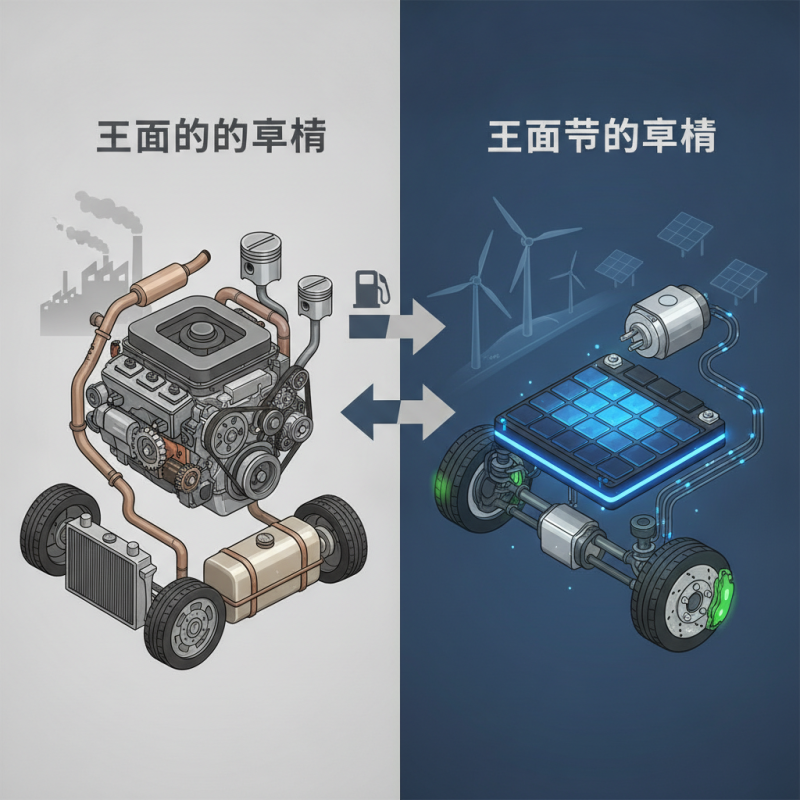
Why Are Electric Vehicle Parts Unique Compared to Traditional Vehicles?

Overview of Electric Vehicle Components vs. Traditional Vehicle Parts

Electric vehicles (EVs) rely on distinct components that set them apart from traditional internal combustion engine (ICE) vehicles. One key difference is the battery system. EV batteries, typically lithium-ion, store energy and drive the electric motor. According to the International Energy Agency, global EV sales surged past 10 million units in 2022, highlighting the increasing demand for advanced battery technology. Unlike ICE vehicles with complex fuel systems, EVs utilize a straightforward electric architecture.

Another critical component is the electric motor. Unlike the multi-part engine of traditional vehicles, EV motors are simpler and more efficient. They convert electrical energy directly into mechanical energy. Research from the U.S. Department of Energy shows that electric motors can achieve efficiencies of over 90%, compared to about 20% to 30% in ICE engines. This efficiency translates into reduced energy costs and lower emissions, making EVs more environmentally friendly.

However, challenges remain. Battery production is resource-intensive, requiring significant materials like cobalt and lithium. This can lead to ethical concerns and environmental consequences. Additionally, the charging infrastructure needs further development to support widespread adoption. Addressing these issues is crucial for the future of electric mobility. As the market continues to evolve, understanding these unique components will be essential for both consumers and industry stakeholders.

Key Differences in Powertrains: Electric vs. Internal Combustion Engines

Electric vehicles (EVs) and traditional internal combustion engine (ICE) vehicles differ significantly in their powertrains. The heart of an EV is its electric motor. This motor converts electric energy into mechanical energy. In contrast, ICE vehicles rely on an engine that ignites fuel to produce power. This fundamental difference leads to variations in how each vehicle operates, maintains, and ultimately performs.

One notable difference lies in efficiency. Electric motors have fewer moving parts. This simplicity often leads to lower maintenance costs. ICE vehicles require regular oil changes and engine maintenance. With EVs, many owners find they spend less time and money on repairs. However, battery replacement can be a costly consideration.

Tips: When considering switching to an EV, research local charging infrastructure. This can make a significant difference in your driving experience. Additionally, be prepared for a learning curve. Understanding battery range and power management is essential for maximizing your EV's potential. Embrace the unique characteristics of EVs while being mindful of their challenges and maintenance needs.

The Role of Batteries: Energy Storage Innovations in EVs

The rise of electric vehicles (EVs) has revolutionized automotive technology, especially with batteries at the forefront. These energy storage systems differ significantly from those in traditional vehicles. While gasoline engines harness fuel for power, EVs rely on advanced battery technology. Lithium-ion batteries, for instance, offer greater energy density, meaning they store more energy in a smaller space. This innovation allows EVs to travel longer distances on a single charge.

However, battery technology faces challenges. Charging time remains a concern. Many users desire faster charging options but often encounter long wait times. Furthermore, battery lifespan is another issue. Over time, batteries lose capacity, affecting vehicle performance. Research continues in improving battery life and efficiency. Emerging technologies like solid-state batteries show promise, but widespread adoption is still years away.

Furthermore, the environmental impact of battery production cannot be overlooked. The mining of lithium and cobalt raises ethical and ecological questions. As the industry grows, addressing these challenges is crucial for sustainable EV adoption. Balancing innovation and responsibility remains a complex task for the future of electric mobility.

Unique Materials and Design Principles in Electric Vehicle Manufacturing

Electric vehicles (EVs) utilize materials and designs that differ significantly from traditional vehicles. For instance, EV battery packs often employ advanced lithium-ion technology. This choice impacts weight distribution and vehicle dynamics. Additionally, the need for thermal management systems in batteries leads to unique design challenges. These components must efficiently dissipate heat to ensure optimal performance.

When examining the materials, lightweight metals and composites are preferred in EV manufacturing. These materials contribute to energy efficiency and extended range. However, sourcing these materials responsibly can be a challenge. Ethical considerations in mining and production invite scrutiny and require ongoing improvement.

Electric vehicles also adopt software-driven systems for various functions, which is distinct from traditional mechanical setups. These systems enhance performance and provide advanced features, though they come with risks like software vulnerabilities. Balancing innovation with reliability remains an ongoing concern in the industry. The transition to EVs prompts continuous learning and adaptation, highlighting areas for growth and innovation in both materials and design.

Challenges and Advantages of Electric Vehicle Maintenance and Repair

Electric vehicles (EVs) come with distinct maintenance and repair challenges. Their unique components, like electric motors and battery systems, require specialized knowledge. Many mechanics may not be trained in these areas. This lack of expertise can lead to incorrect diagnoses. Such issues might drive up repair costs or delay the process.

The advantages of EV maintenance are notable. Fewer moving parts often mean lower wear and tear. For example, EV brake systems tend to last longer due to regenerative braking. However, when repairs are needed, sourcing parts can be difficult. Supply chain disruptions may lead to long wait times. Additionally, specialized tools are often required. This not only affects the cost but also the convenience for car owners.

Training programs for technicians are growing but still lag. Finding qualified professionals can be a struggle. Mechanics might also hesitate to work on EVs due to unfamiliarity. It’s a reminder of the need for continual learning in this evolving field. Embracing the shift to electric requires understanding these unique challenges while recognizing the benefits.

FAQS

: What materials are commonly used in electric vehicle (EV) manufacturing?

: Lightweight metals and composites are preferred for energy efficiency and extended range.

How do battery systems affect EV design?

Battery systems require thermal management to dissipate heat and ensure optimal performance.

What are some maintenance challenges facing EV owners?

EVs have unique components that require specialized knowledge not all mechanics possess.

Why might repair costs for EVs be higher?

Finding parts can be difficult, and many mechanics lack experience, leading to incorrect diagnoses.

What are the benefits of EV maintenance?

Fewer moving parts lead to less wear and tear, and brake systems often last longer.

How does software impact EV performance?

Software-driven systems enhance performance but can introduce risks like vulnerabilities.

Are training programs for EV technicians sufficient?

Training programs are growing, but many mechanics still lack the necessary expertise.

What inconveniences might car owners face regarding EV repairs?

Supply chain disruptions can cause long wait times for parts and specialized tools.

How does the shift to electric vehicles create learning opportunities?

The transition highlights areas for growth and innovation in materials and design.

What should EV owners consider regarding repair services?

It’s important to find qualified professionals, as many may be hesitant due to unfamiliarity.

Conclusion

Electric vehicles (EVs) incorporate several components that are distinct from those found in traditional internal combustion engine vehicles. A key reason why electric vehicle components are different from traditional vehicle parts lies in their powertrains; EVs utilize electric motors and batteries instead of gasoline engines and fuel tanks. This fundamental shift not only changes how energy is stored and utilized, but it also impacts vehicle efficiency and performance.

The role of batteries is central to EV design, featuring advanced energy storage technologies that support faster charging and longer ranges. Additionally, unique materials and design principles are employed in the manufacturing of EVs to optimize weight and performance. However, these innovations also present specific challenges in maintenance and repair, highlighting the differences in the lifecycle and serviceability of electric versus traditional vehicles. Understanding these factors explains why electric vehicle components stand apart in the automotive landscape.

Isabella

Isabella

Isabella is a dedicated marketing professional with a sharp focus on driving brand growth and engagement through strategic content creation. With an extensive background in digital marketing, she combines her passion for storytelling with her keen understanding of industry trends to deliver......