Electric vehicles (EVs) are revolutionizing the automotive industry. Their efficiency stems from the seamless collaboration of various components. But how do electric vehicle components work together? Renowned expert in the field, Dr. Maria Sanchez, offers insight: “Every component must communicate effectively to optimize performance.” This highlights the intricate relationships within an EV.
Each part, from the battery to the electric motor, plays a vital role. The battery stores energy, while the motor converts it into motion. However, challenges arise in ensuring these components function cohesively. For instance, battery management systems must balance energy distribution carefully. If one element underperforms, the entire system can suffer.
Understanding how do electric vehicle components work together requires a keen focus on integration. Engineers strive to enhance efficiency through advanced technology and design. Reflecting on these developments reveals both progress and ongoing challenges in the EV sphere. As the industry evolves, continuous improvement remains essential for achieving optimal performance.
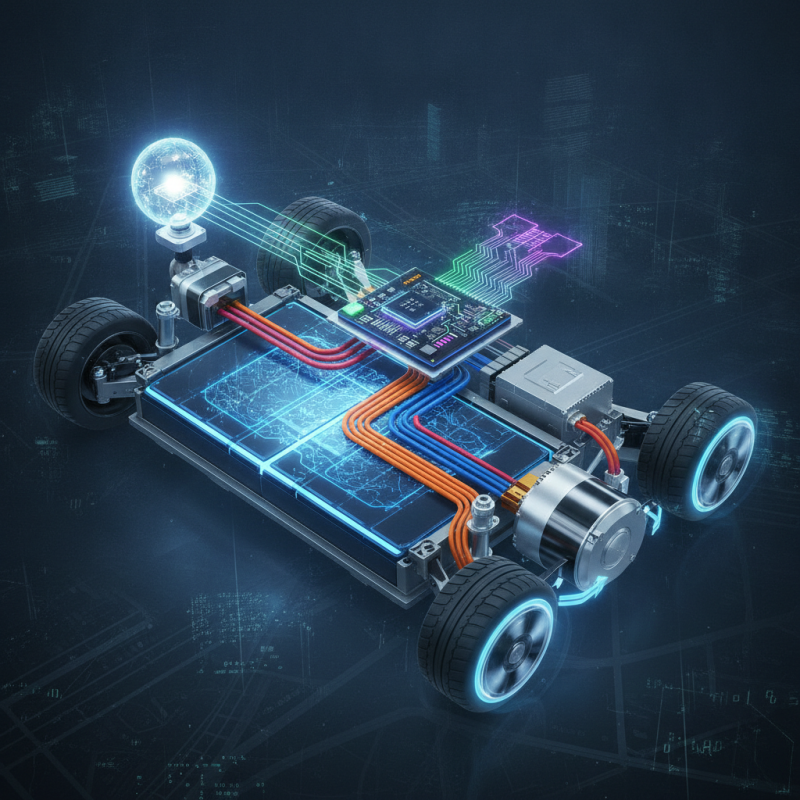
Overview of Electric Vehicle Components and Their Functions
Electric vehicles (EVs) consist of several key components that work in harmony to ensure efficient operation. The battery is the heart of an EV, storing energy for propulsion. Its size and capacity determine the vehicle's range. A well-designed battery management system optimizes performance and longevity.
The electric motor converts electrical energy into mechanical energy, driving the wheels. It operates silently and provides instant torque, which enhances acceleration. The motor controller governs energy flow, ensuring smooth transitions between different driving conditions.
Tips: Regularly check your vehicle’s software for updates. This can improve efficiency. An efficient charging routine can extend battery life.
In addition, regenerative braking recovers energy during deceleration, enhancing efficiency and range. However, the system's effectiveness can vary based on driving habits. Drivers should reflect on their usage patterns to maximize benefits. Adjusting driving style can lead to better energy conservation and more mileage per charge.
Understanding the Role of the Battery in Electric Vehicle Performance
The battery is the heart of any electric vehicle (EV). It stores energy and powers the motor, affecting overall performance. According to a recent report by the U.S. Department of Energy, battery efficiency can impact a vehicle's range by up to 40%. Inadequate battery management can lead to energy loss, reducing driving distance and creating range anxiety for users.
One significant aspect of battery performance is thermal management. Studies indicate that maintaining the optimal temperature can enhance lifespan by 20%. In contrast, poor thermal conditions can degrade battery health, leading to costly replacements. Engineers must prioritize designs that maintain consistent thermal regulation.
While advancements in battery technology have improved efficiency, challenges remain. Many batteries deplete faster under high stress, such as rapid acceleration or heavy loads. The industry is still exploring ways to optimize battery life without compromising performance. Ongoing innovations aim to address these issues, but it is essential to recognize that the journey to perfect battery systems is far from complete.
How Do Electric Vehicle Components Work Together Efficiently?
| Component |
Function |
Efficiency Contribution |
Power Output (kW) |
| Battery |
Stores and supplies energy |
High; determines vehicle range |
150 |
| Electric Motor |
Converts electrical energy to mechanical energy |
Moderate; affects acceleration |
120 |
| Controller |
Regulates power flow to the motor |
High; crucial for performance |
N/A |
| Charger |
Replenishes battery energy |
Moderate; impacts charging time |
N/A |
| Regenerative Braking System |
Recovers energy during braking |
High; enhances efficiency |
N/A |
The Contribution of Electric Motors to Vehicle Efficiency and Power
Electric motors play a vital role in the efficiency of electric vehicles (EVs). These motors convert electrical energy into mechanical energy, propelling the vehicle forward. Unlike traditional combustion engines, electric motors can provide instant torque. This enhances acceleration and responsiveness. The design of these motors significantly impacts overall energy consumption.
However, not all electric motors are created equal. Efficiency can be influenced by factors such as weight, size, and materials used in construction. Some electric motors may not achieve their optimal efficiency under certain conditions. This can lead to energy waste, which impacts the vehicle's range. Effective thermal management is also crucial. Overheating can reduce performance and damage components.
Moreover, the integration of electric motors with battery systems is essential. A well-designed motor should work efficiently with the battery, ensuring optimal energy transfer. Yet, this integration is complex and requires careful engineering. Challenges remain in balancing performance, weight, and energy consumption, highlighting the need for continuous improvement in electric motor technology.
Integrating Power Electronics for Optimal Energy Management
Power electronics play a crucial role in the efficient management of energy in electric vehicles (EVs). They facilitate the conversion and control of electric power between the battery, motor, and other system components. This integration ensures that energy flows smoothly, maximizes performance, and enhances overall efficiency. Effective power conversion reduces energy loss, which is vital for extending the range of EVs.
Advanced technologies like inverters and converters are central to this process. Inverters convert DC power from the battery into AC power for the electric motor. Conversely, converters can adjust voltage levels to suit different components. However, these systems can be complex. They demand precise control and optimization to avoid inefficiencies. Engineers must tackle heat management and ensure reliability, which are perennial challenges in the industry.
A key area for improvement lies in battery management systems. These systems monitor battery health and optimize charging cycles. Poorly designed systems may lead to energy wastage or reduced battery lifespan. As such, a holistic approach to integrating power electronics and battery management is essential for maximizing energy efficiency in EVs. Continuous research and development are necessary to address these intricate challenges and improve overall vehicle performance.
Importance of Thermal Management Systems in Electric Vehicles
Thermal management systems are crucial for the efficient operation of electric vehicles (EVs). These systems maintain optimal temperatures for batteries and components. When temperatures rise too high, battery efficiency drops significantly. This can lead to a shortened lifespan and decreased vehicle performance. Effective thermal management keeps those temperatures in check.
A common approach involves liquid cooling systems. These systems circulate a coolant around batteries, absorbing heat. However, they can be complex and require careful maintenance. Air cooling is another option, but it may not be as effective under extreme conditions. Both systems can have drawbacks that need addressing. The goal is to find the right balance to ensure longevity and reliability.
Moreover, the materials used in EV components can affect thermal management. Some materials retain heat better than others. This can complicate the management process. Engineers continuously seek innovative solutions. Their aim is to optimize thermal performance while minimizing costs. There’s always room for improvement, especially as technology evolves.
Importance of Thermal Management Systems in Electric Vehicles
FAQS
: The battery stores energy and powers the motor, impacting the vehicle's overall performance.
Battery efficiency can influence a vehicle's range by up to 40%, according to reports.
Thermal management maintains optimal temperatures, enhancing battery lifespan by about 20%. Poor conditions can lead to degradation.
Many batteries deplete quickly under stress, like rapid acceleration or heavy loads. Improvements are ongoing but still incomplete.
Electric motors convert electrical energy into mechanical energy, providing instant torque for better acceleration.
Weight, size, and materials affect motor efficiency. Some motors might waste energy under certain conditions.
A well-designed motor works efficiently with the battery, ensuring optimal energy transfer for performance.
Overheating can reduce performance and damage components, emphasizing the need for effective thermal management.
No, motor efficiency varies significantly based on design and operating conditions, leading to potential energy waste.
Continuous engineering efforts are necessary to balance performance, weight, and energy consumption in EV components.
Conclusion
Electric vehicles (EVs) rely on a harmonious interplay of components that enhances their overall performance and efficiency. Understanding how do electric vehicle components work together is crucial to appreciating their functionality. The battery serves as the heart of the EV, storing and supplying energy for the motor, which transforms electrical energy into mechanical power. Meanwhile, power electronics manage energy flow, ensuring that this power is used effectively and sustainably.
Additionally, thermal management systems play a vital role in maintaining optimal temperatures for both the battery and motor, preventing overheating and improving performance. By integrating these components—batteries, motors, power electronics, and thermal systems—manufacturers create vehicles that deliver better range, efficiency, and driving experience, showcasing the seamless cooperation among electric vehicle components.

 DCI Autos