Electric vehicles (EVs) are transforming the automotive landscape. But a pressing question often arises: "how long do electric vehicle components last?" According to Dr. Emily Carter, a leading figure in EV technology, “The lifespan of electric vehicle components varies significantly, influenced by multiple factors.” Understanding these factors is essential for consumers and manufacturers alike.
The longevity of EV components hinges on several elements. Battery packs, for instance, may last 8 to 15 years, depending on usage patterns. Motors and drivetrains often exceed this range with proper maintenance. However, wear and tear can present challenges. External conditions, driving habits, and even charging practices impact lifespan. These variables constantly shift, making definitive predictions difficult.
Recognizing the complexities involved is important. Not every EV will follow the same trajectory. Some components may fail sooner than expected, leading to costly repairs. While efforts are made to improve durability, unpredictability remains. Striking a balance between innovation and reliability is vital for the future of electric vehicles. As we delve deeper into this topic, understanding these lifespan factors can guide decision-making for both consumers and the industry.
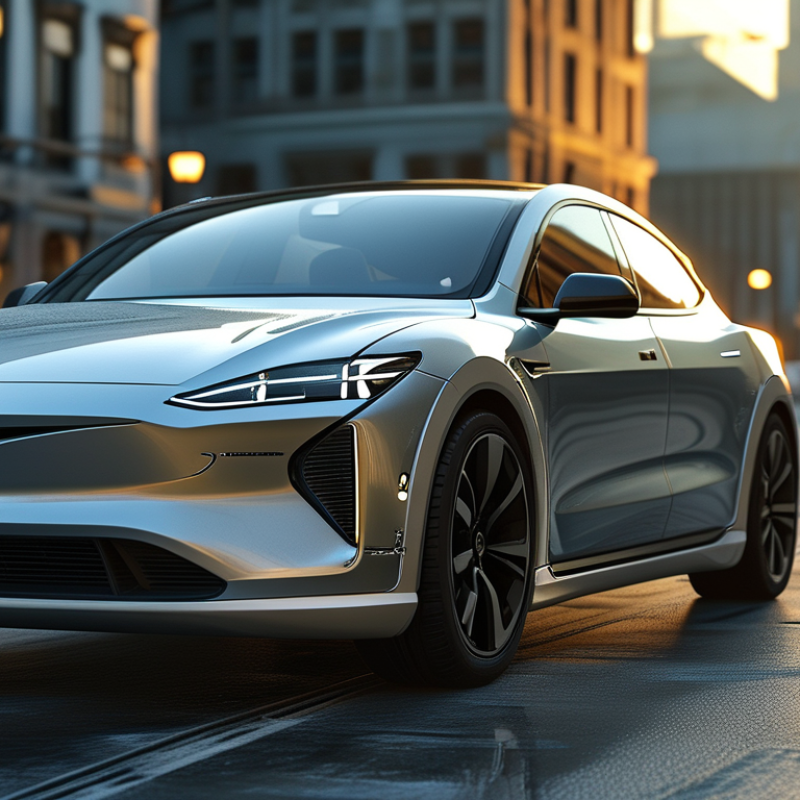
Electric vehicle batteries play a critical role in determining the overall lifespan of the vehicle. Several factors affect their longevity, including charging habits, temperature fluctuations, and cycles of use. Frequent fast charging can degrade battery chemistry faster than regular charging. Extreme temperatures, whether hot or cold, may also negatively impact performance.
Understanding how these factors interact is essential. For instance, avoiding full discharges can extend battery life significantly. Batteries thrive when kept between 20% and 80% charge. Consider installing a home charger that allows you to top off regularly for optimal usage.
Tips: Monitor your vehicle’s battery health regularly. Look for any signs of degradation or reduced range. Regular maintenance checks can help catch potential issues before they become serious. Stay informed about the latest battery technology and practices to maximize your investment.
Thermal management systems play a key role in the durability of electric vehicle (EV) components. Effective temperature control enhances the lifespan of batteries, motors, and electronics. When components run at optimal temperatures, they perform better. However, overheating can lead to premature failure. Poor thermal management can result in costly repairs and replacements.
The materials used in thermal management systems significantly impact their performance. Some systems rely on conventional cooling techniques, which may not be efficient. Innovative solutions, such as phase change materials, allow for better heat absorption. These advancements can reduce the risk of thermal runaway in batteries, a critical safety concern. Yet, some systems still face challenges in reliability under varying operational conditions.
Regular maintenance of thermal management systems is necessary but often overlooked. Users may neglect coolant levels or fail to inspect sensors. This negligence can lead to severe overheating issues. Hence, it's crucial for owners to prioritize these checks. Understanding how thermal management affects overall vehicle performance can foster responsible usage. This awareness could lead to longer-lasting components and enhance overall vehicle safety.
The charging infrastructure significantly impacts the longevity of electric vehicles (EVs). Adequate charging stations enhance usability and convenience, enabling drivers to maintain their vehicles more efficiently. When chargers are more accessible, users are less likely to let their batteries deteriorate due to low charge cycles. Proper charging habits can reduce wear on battery cells, promoting a longer lifespan.
However, the quality of charging stations matters. Poorly maintained or incompatible chargers can harm the vehicle’s battery. Users often overlook the importance of using compatible charging equipment. This negligence can lead to inefficiencies and battery degradation. Regularly utilizing high-quality charging stations should be prioritized.
Environmental conditions also play a role. Extreme temperatures can affect charging efficiency and battery health. Cold weather may reduce the charging capacity, while excessive heat can increase battery wear. Drivers should be aware of these factors when selecting charging locations. Investing time in understanding local charging infrastructure can enhance overall EV performance and longevity. Reflecting on these elements can lead to better vehicle care and longer-lasting batteries.
Driving habits play a pivotal role in determining the lifespan of electric vehicle (EV) components. A study from the International Council on Clean Transportation indicates that aggressive driving can significantly reduce the life of components. For instance, rapid acceleration stresses the battery, shortening its overall capacity.
Frequent high-speed driving can increase heat buildup in the battery and motor. Elevated temperatures lead to faster degradation. In contrast, smooth driving habits promote a more efficient energy use and can extend the lifespan of these critical components. According to research by the National Renewable Energy Laboratory, a gentle driving style can increase battery longevity by up to 20%.
Additionally, regenerative braking, when utilized effectively, can positively impact component lifespan. This technology recovers energy during braking, reducing wear on the brake components. However, not all drivers maximize this feature, which may contribute to premature wear. Therefore, understanding the effects of individual driving behaviors is essential in promoting the long-term efficiency of EV components.
Advancements in material technology are significantly impacting the lifespan of electric vehicle (EV) components. Enhanced battery materials, such as solid-state electrolytes, promise longer life cycles compared to traditional lithium-ion batteries. Reports indicate that solid-state batteries can potentially double the energy density and reduce degradation rates by around 50%. This could extend the usable life of an electric vehicle substantially.
Moreover, lightweight composites are replacing conventional metals in various vehicle components, including the chassis and body panels. Research shows that using these materials can improve vehicle efficiency by up to 15%. However, the durability of some new materials under extreme conditions remains a concern, potentially leading to unforeseen maintenance issues. This illustrates a need for ongoing research to verify the long-term reliability of these innovations.
Another factor under review is the evolving manufacturing process. Advanced techniques such as 3D printing allow for rapid prototyping of components. However, some studies suggest that not all 3D-printed parts are as durable as traditionally crafted ones. This inconsistency raises questions about quality control and reliability in production. Industries must balance innovation with the potential for increased failure rates or shortened component lifespans.
: Several factors influence battery longevity, including charging habits and temperature fluctuations.
Frequent fast charging can degrade battery chemistry faster than regular charging methods.
Keeping the battery charge between 20% and 80% significantly extends its lifespan.
Regularly check for signs of degradation or reduced range to maintain battery health.
Yes, accessible and quality charging stations promote better battery maintenance and usability.
Extreme temperatures can influence charging efficiency and battery health, either causing degradation or reduced capacity.
Aggressive driving, such as rapid acceleration, can shorten the lifespan of EV components significantly.
Gentle driving can promote efficient energy use and potentially increase battery longevity by up to 20%.
Regenerative braking recovers energy, which reduces wear on brake components but requires driver understanding to maximize its effectiveness.
Understanding these habits is crucial for enhancing the long-term efficiency and durability of EV components.
The longevity of electric vehicle components is influenced by several key factors that determine how long do electric vehicle components last. Firstly, the lifespan of electric vehicle batteries is significantly affected by the quality of materials used and the thermal management systems in place, which help maintain optimal operating temperatures. Additionally, the availability and reliability of charging infrastructure play a crucial role, as inadequate charging options can lead to irregular usage patterns that may shorten component life.
Moreover, driving habits significantly impact the durability of various EV components; aggressive driving and frequent rapid accelerations can lead to increased wear and tear. Lastly, advancements in material technology continue to enhance the durability and lifespan of electric vehicle components, enabling manufacturers to produce longer-lasting, more efficient systems. Understanding these factors is essential for EV owners looking to maximize the life of their vehicles.

DCI Autos