As electric vehicles (EVs) continue to gain popularity, understanding what certifications are required for electric vehicle components is crucial. Industry reports indicate that the global EV market is projected to grow at a rate of 22% annually, emphasizing the need for stringent safety and quality standards. According to Dr. Sarah Thompson, a noted expert in automotive safety regulations, “The integrity of EV components hinges on proper certifications to ensure consumer trust and safety.”
Various regulatory bodies outline these certifications, which range from battery standards to electronic control systems. The Society of Automotive Engineers (SAE) and Underwriters Laboratories (UL) are key players in this field. Reports show that components lacking certification can lead to significant safety risks, illustrating the importance of adherence. Without proper oversight, manufacturers may unknowingly compromise vehicle integrity.
However, the certification landscape is not without its challenges. Some manufacturers may find compliance daunting. Questions about the clarity of certification processes remain. The complexity of global regulations can add to this uncertainty. Addressing these issues is vital for industry stakeholders. By focusing on what certifications are required for electric vehicle components, the industry can better align with safety standards and consumer expectations.
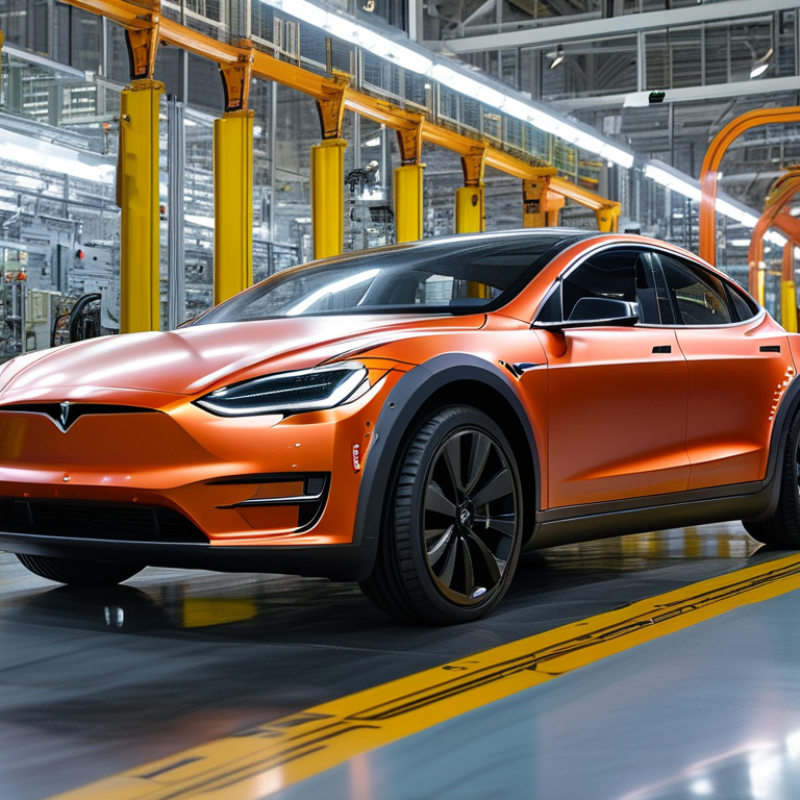
Electric vehicles (EVs) are at the forefront of innovation. Their components must meet rigorous certification standards to ensure safety and performance. Various certifications exist, including ISO, UL, and IEC. These certify everything from battery management systems to electric drivetrains. According to the International Energy Agency (IEA), the demand for EV components is projected to grow 30% annually. As a result, compliance with these standards becomes critical.
Tip: Always verify if your component meets local and international regulations. This can avoid costly redesigns later.
Testing procedures for EV components often involve simulating real-world conditions. This includes thermal cycles, vibration, and impact testing. A recent report from the Automotive Research Institute highlighted that nearly 25% of EV failures relate to improperly certified components. Such statistics emphasize the importance of certifications in mitigating risks.
Tip: Collaborate with accredited testing labs to ensure comprehensive evaluation. This helps catch potential issues early in the design process.
Navigating the complex landscape of EV component certifications can be challenging. Manufacturers must ensure that their products not only comply but also exceed baseline requirements. This proactive approach can lead to increased market trust and consumer safety.
In the electric vehicle (EV) ecosystem, certification is crucial for compliance and safety. Regulatory bodies play a significant role in the certification process. Organizations like SAE International and the International Electrotechnical Commission (IEC) establish guidelines for EV components. They ensure that parts meet industry standards and are safe for public use.
The U.S. Environmental Protection Agency (EPA) also monitors compliance. They focus on emissions and energy efficiency for electric vehicles. Their regulations ensure that manufacturers adhere to strict environmental guidelines. This oversight is essential for widespread acceptance of EV technology.
While the certification process is rigorous, it isn’t flawless. Overlaps in regulations can occur, leading to confusion. Manufacturers may struggle to navigate multiple jurisdictions. Feedback from the industry suggests that clearer communication from regulatory bodies could improve the certification experience. Ensuring safety and reliability is a shared goal, but constant revisions in standards could create challenges.
| Component Type | Required Certifications | Regulatory Body | Certification Purpose |
|---|---|---|---|
| Battery | UL 2054, UN 38.3 | Underwriters Laboratories, UN | Safety, Transportation Compliance |
| Electric Motor | IEC 60034, ISO 9001 | International Electrotechnical Commission, ISO | Performance, Quality Management |
| Charging System | IEC 62196, SAE J1772 | IEC, SAE | Interoperability, Safety |
| Thermal Management System | ISO 26262 | ISO | Functional Safety |
| Power Electronics | EN 61000 | CENELEC | Electromagnetic Compatibility |
Electric vehicles (EVs) are revolutionizing transportation, but the components require strict certifications. These certifications ensure safety, efficiency, and reliability. The landscape of required certifications can be complex. Manufacturers must navigate various standards to meet industry demands.
One major certification is the Underwriters Laboratories (UL) mark. This indicates that components, like batteries, meet essential safety criteria. Another critical standard is the International Organization for Standardization (ISO) certification. ISO 9001 focuses on quality management systems. Adhering to these standards helps manufacturers build trust and credibility in the market.
The electromagnetic compatibility (EMC) certification is another significant requirement. This certifies that EV components do not interfere with each other. Not obtaining this certification can lead to operational issues. Continual changes in technology mean these certifications are evolving. For many manufacturers, keeping up can be a challenge. They must actively engage with regulatory updates. This ongoing commitment ensures safety and performance in the rapidly growing EV sector.
Electric vehicles (EVs) are transforming the automotive industry, but safety standards are vital. Testing standards ensure EV components meet rigorous performance criteria. According to the International Electrotechnical Commission (IEC), over 30% of EV failures stem from battery pack issues. This highlights the need for precise testing in materials.
Battery testing standards like IEC 62133 are critical. This standard assesses how batteries handle extreme conditions, including temperature fluctuations and mechanical stress. Poorly tested batteries may lead to fires or system failures. Research indicates that 10% of tested EV batteries fail under these conditions. Safety testing must evolve continually as technology advances.
Another essential aspect is electromagnetic compatibility (EMC) testing. EVs operate with sensitive electronics, making it crucial to reduce electromagnetic interference. The CISPR 25 standard addresses this concern, specifying limits for emissions and immunity levels. Compliance ensures components work together seamlessly without interference. As EV technology develops, refining testing standards becomes imperative for safety and reliability.
As electric vehicles (EVs) become increasingly prevalent, the certification landscape is evolving rapidly. The demand for certified electric vehicle components is driven by safety standards and performance benchmarks. According to a report by the International Energy Agency, EV adoption grew by 13% in 2020, highlighting an urgent need for regulatory clarity in certifications. Emerging trends suggest that authorities are focusing more on sustainability, not just safety. They are integrating environmental assessments into certification processes.
The rise of battery technologies is reshaping certification requirements. The global battery market is projected to reach $100 billion by 2025. Certifications for lithium-ion batteries, for example, are undergoing revisions to enhance safety protocols. Additionally, some new standards are being introduced to address recycling and lifecycle assessments of EV components. These shifts indicate a growing recognition of the entire lifecycle of EV technologies, from production to end-of-life.
However, there remain challenges in harmonizing these certifications across regions. This inconsistency adds complexity for manufacturers. There are calls for a unified global framework that can streamline the certification process. Experts suggest that collaboration among industry stakeholders can facilitate this transition. Nevertheless, the evolving landscape requires constant monitoring and agility from companies looking to remain compliant.
: Battery pack issues cause over 30% of EV failures. Testing standards are essential for performance and safety.
Standards like IEC 62133 assess batteries under extreme conditions. Poor testing may cause fires or system failures.
Research shows that 10% of tested batteries fail under specific conditions, highlighting the need for rigorous checks.
EMC testing reduces interference in sensitive electronics. The CISPR 25 standard sets limits for emissions and immunity.
Authorities are focusing more on sustainability, integrating environmental assessments into certification alongside safety standards.
The market is growing rapidly, prompting revisions to safety protocols, especially for lithium-ion batteries.
Yes, inconsistencies complicate the process for manufacturers, highlighting the need for a unified global framework.
New standards address recycling and end-of-life issues, acknowledging the full lifecycle of EV technologies.
Companies must monitor changes constantly and show agility in adapting to new requirements to remain compliant.
Experts suggest collaboration can help harmonize certification processes, but challenges remain.
The certification landscape for electric vehicle components is crucial for ensuring safety, performance, and compliance with regulatory standards. To understand what certifications are required for electric vehicle components, it's essential to explore the main regulatory bodies overseeing these processes, such as the International Electrotechnical Commission (IEC) and various national agencies. The certifications typically cover aspects ranging from battery safety to electric motor efficiency, emphasizing the importance of rigorous testing standards.
In addition to existing certifications, emerging trends in certification processes reflect the rapid technological advancements in the EV sector. As new technologies develop, standards and certification requirements will evolve, necessitating manufacturers to stay informed and compliant with the latest regulations. This comprehensive overview highlights the critical role certifications play in the electric vehicle industry, ensuring that components not only meet consumer expectations but also adhere to safety and quality benchmarks.

DCI Autos