As electric vehicle technology rapidly evolves, staying informed on the latest trends is crucial. According to a report by BloombergNEF, global electric vehicle sales are projected to reach 28 million units by 2030, showcasing the industry's exponential growth. Experts agree that understanding the question, "what are the latest trends in electric vehicle technology," is essential for consumers and manufacturers alike.
Dr. Emma Green, a notable figure in automotive research, recently stated, “Innovation in battery technology and charging infrastructure will define the future of electric vehicles.” Her insights reflect a growing emphasis on efficient energy solutions. Trends like solid-state batteries and fast-charging networks are crucial, improving range and convenience.
However, emerging technologies present challenges too. Not all innovations are sustainable, and potential supply chain issues could affect growth. Analysts foresee integration struggles with legacy systems. This necessitates a balance between innovation and reliability, underscoring the complexity of advancing electric vehicle technologies. Understanding these dynamics is vital as we move forward in this transformative era.
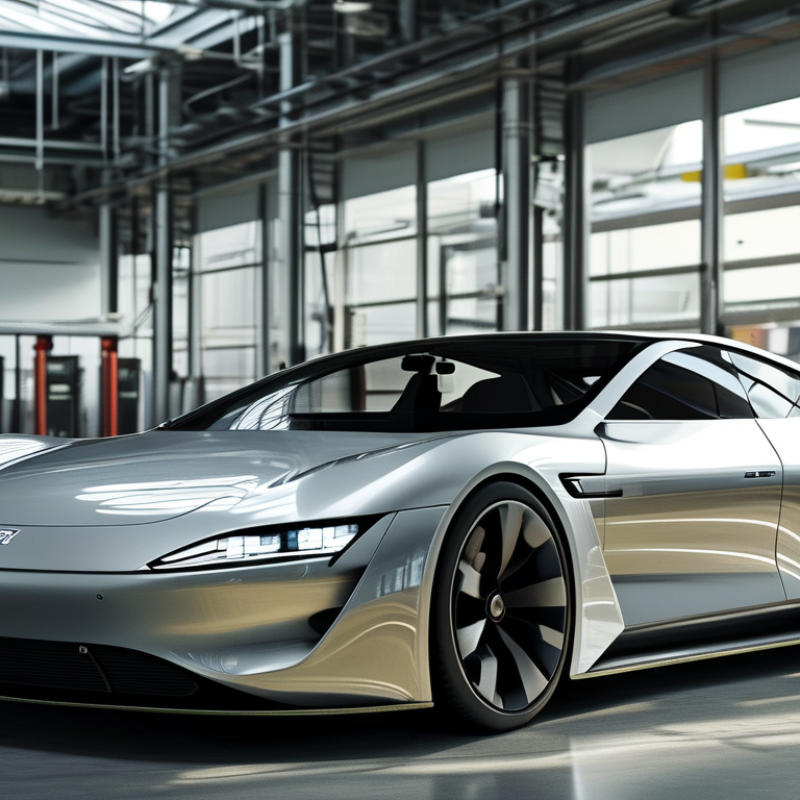
Emerging battery technologies are transforming electric vehicles (EVs) at an unprecedented pace. Innovations like solid-state batteries are gaining traction. They promise higher energy densities and faster charging times compared to traditional lithium-ion batteries. This shift could lead to EVs that can travel farther on a single charge. The potential for enhanced safety is another key advantage. Solid-state designs reduce fire risks commonly associated with liquid electrolytes.
Another exciting development is the use of lithium-sulfur batteries. These batteries can potentially deliver a much higher capacity than their lithium-ion counterparts. As research continues, challenges remain in cycle life and stability. However, breakthroughs may soon address these issues, reshaping the market landscape. Experts are optimistic that improvements in material science will lead to better performance and longevity.
Finally, advancements in battery recycling are crucial. With the growing number of EVs, sustainable practices are necessary to manage battery waste effectively. Developing efficient recycling methods can improve material recovery. This not only benefits the environment but also supports a circular economy in battery production. As battery technology evolves, consumers and manufacturers alike will need to adapt to these changes.
As we look toward 2026, the electric vehicle (EV) charging infrastructure is set to undergo significant advancements. Key developments focus on increasing charging speed and accessibility. New fast-charging stations promise to reduce the downtime for EV users. Some stations may deliver charges that can provide an 80% battery life in under 30 minutes. This rapid charging can transform long-distance travel for EV drivers.
The integration of smart technology into charging networks is another exciting trend. Sensors and apps will help drivers find available charging spots in real-time. However, the transition to a more extensive network poses challenges. Urban areas may struggle with space limitations, impacting placement. Rural regions often face a lack of charging facilities. Additionally, the need for sustainable energy sources for these stations is critical.
Public-private partnerships may emerge as a solution to these issues. Involving various stakeholders could foster innovative approaches. However, the execution of such partnerships often faces hurdles. Balancing interests remains a pressing concern. How to create a system that is reliable and efficient requires ongoing dialogue and innovative thinking. These factors will significantly shape the evolution of EV charging infrastructure in the coming years.
| Trend | Description | Expected Impact | Implementation Year |
|---|---|---|---|
| Ultra-Fast Charging | Development of charging stations capable of adding 300 miles of range in under 10 minutes. | Significant reduction in charging time, facilitating long-distance travel. | 2026 |
| Bidirectional Charging | Technology allowing EVs to supply power back to the grid or homes during peak demand. | Enhanced energy management and revenue generation for EV owners. | 2026 |
| Wireless Charging | Introduction of inductive charging systems, enabling charging without cables. | Improved convenience and accessibility to charging infrastructure. | 2026 |
| Smart Charging Stations | Integration of IoT and AI in charging stations for optimized energy usage and payment systems. | More efficient energy consumption and user-friendly charging experience. | 2026 |
| Solar-Powered Charging Stations | Charging stations equipped with solar panels to harness renewable energy. | Promotion of sustainability and reduction of carbon footprint. | 2026 |
The future of electric vehicle design is evolving rapidly. Innovative features are emerging to enhance user experience. Designers are focusing on sustainability, usability, and advanced technology integration. New materials like lightweight alloys and recycled plastics are becoming common in vehicle production.
Interestingly, user-friendly interfaces are a key focus. Smart displays and voice commands are replacing traditional controls. This shift makes driving more intuitive. However, such reliance on tech raises concerns. Are we losing the tactile experience of driving?
Tips: Consider the user interaction with your vehicle. How often do you use touch screens? Balance tech with classic features. Engaging with new designs should feel natural.
Another trend is customization. Vehicles are being designed for a broader range of consumers. Different needs from families to urban users are taken into account. Yet this can lead to complexity. Do multiple options confuse potential buyers?
Tips: Choose models that genuinely fit your lifestyle. A simple design may offer more satisfaction than numerous features. Prioritize your needs to find the right balance.
Artificial Intelligence (AI) is reshaping the electric vehicle (EV) landscape. It enhances performance, safety, and efficiency. AI systems can analyze real-time data. This capability allows vehicles to make smarter decisions on the road.
Self-driving EVs rely heavily on AI. It processes information from sensors and cameras. AI can predict potential hazards. This leads to fewer accidents. However, challenges remain. The technology must overcome complex driving conditions. Developers are still refining algorithms for improved accuracy.
Moreover, AI optimizes battery management. It enhances charging speeds and energy usage. But balancing efficiency with cost is imperative. Some EVs struggle with range. AI aims to minimize this issue, but not every vehicle achieves it. Thus, continual iteration is essential. As AI advances, it must address these real-world shortcomings.
The rise of electric vehicles (EVs) has prompted significant changes in manufacturing and recycling practices. As consumers seek sustainable options, manufacturers are under pressure to innovate responsibly. Sustainable practices are essential to minimize environmental impact.
In the manufacturing phase, companies are exploring ways to use eco-friendly materials. For instance, replacing toxic chemicals with biodegradable options can reduce waste. Yet, challenges remain in sourcing sustainable materials consistently.
Recycling is another crucial area. Effective recycling processes for EV batteries can reclaim valuable metals while minimizing harmful waste. However, many recycling facilities lack the necessary technology. Only a small percentage of batteries are recycled adequately today.
: Expect faster charging stations. Some may offer 80% battery life in under 30 minutes.
Smart sensors and apps will help locate available charging spots in real-time for drivers.
Urban space limitations can hinder the placement of charging stations, impacting accessibility.
Yes, many rural regions lack sufficient charging facilities, causing accessibility problems.
They can involve various stakeholders to create innovative solutions. However, execution can be complex.
AI enhances performance and safety by analyzing real-time data for smarter driving decisions.
Self-driving systems must manage complex driving conditions and improve algorithm accuracy.
AI improves charging speeds and energy usage, aiming to address range limitations.
Yes, balancing efficiency with cost remains an essential consideration for developers.
Ongoing refinements are needed to tackle real-world driving challenges and improve reliability.
As we look ahead to 2026, several transformative trends are reshaping electric vehicle technology. First and foremost, emerging battery technologies are significantly enhancing electric vehicle performance, promising longer ranges and faster charging times. Additionally, the advancements in electric vehicle charging infrastructure are making it more accessible and convenient for users, ensuring that charging networks can support the growing number of electric vehicles on the road.
Furthermore, innovative design trends are driving the aesthetics and functionality of electric vehicles, while the integration of artificial intelligence is optimizing various aspects of vehicle performance and user experience. Lastly, a strong emphasis on sustainability is evident in electric vehicle manufacturing and recycling practices, highlighting the industry's commitment to reducing its environmental footprint. In summary, if you’re wondering what are the latest trends in electric vehicle technology, it is clear that the sector is poised for significant advancements that enhance efficiency, sustainability, and user experience.

DCI Autos