Why Are These Components Essential in an Electric Vehicle?

Time:2026-10-22 Author:Madeline
0%

An electric vehicle is more than a battery with wheels. It is a coordinated system of energy storage, power conversion, control, and motion. Asking “what components are essential in an electric vehicle” reveals why its performance depends on many connected parts. The traction battery stores energy, while the electric motor converts that energy into torque. The inverter controls motor speed and power. The battery management system monitors voltage, temperature, and cell balance. Without these controls, a powerful battery could become inefficient, unsafe, or unreliable.

Market evidence shows why these components matter. The International Energy Agency’s Global EV Outlook 2024 reported nearly 14 million electric cars sold worldwide in 2023. That growth increases pressure on manufacturers to improve range, charging speed, durability, and thermal safety. BloombergNEF’s Battery Price Survey reported an average lithium-ion battery pack price of 139 dollars per kilowatt-hour in 2023. Battery cost remains influential, but it is not the only engineering challenge. A cheaper pack may add weight or reduce service life. That trade-off deserves attention.

Small details matter. A coolant channel can protect cells during fast charging. A sensor can detect an abnormal temperature before damage spreads. Regenerative braking can return energy to the battery, although real-world recovery depends on speed, traffic, and driving habits. The U.S. Department of Energy also identifies onboard chargers, thermal systems, and electric drive components as central to vehicle efficiency. These findings support a practical view: essential components must work together, not compete for attention. Some explanations oversimplify this relationship. A reliable electric vehicle is built through careful integration, testing, and continuous improvement.
Why Are These Components Essential in an Electric Vehicle?

What Makes an Electric Vehicle’s Main Components Essential?

An electric vehicle’s main components work as one carefully balanced system.

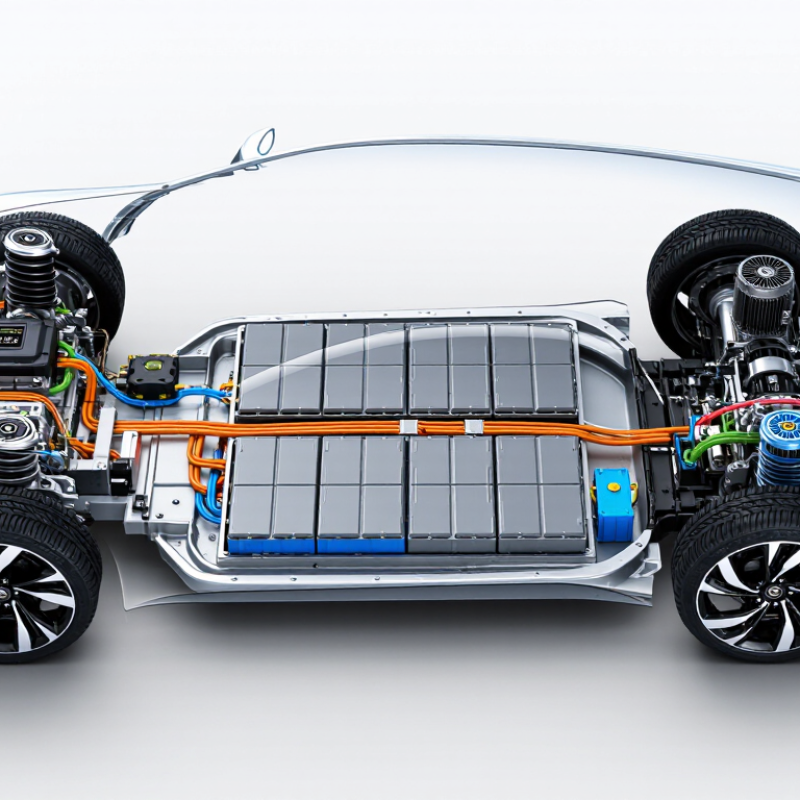
The battery pack stores electrical energy beneath the floor, keeping the vehicle stable while lowering its center of gravity. Its battery management system monitors voltage, temperature, and cell balance every second.

Without this control, heat and uneven charging could shorten battery life or create serious safety risks. High-voltage cables carry power to the inverter, which changes direct current into the alternating current used by many traction motors. The motor then turns electrical energy into immediate wheel torque. Quietly, sensors check speed, pressure, insulation, and temperature.

The charging system is equally essential.

An onboard charger converts electricity from an external supply into energy the battery can safely accept. Thermal controls warm or cool the pack, especially during fast charging or winter driving. Regenerative braking sends part of the vehicle’s motion back to the battery, although it cannot recover all lost energy.

Mechanical brakes remain necessary during emergencies and low-speed conditions. A larger battery may extend driving range, but it also adds weight, cost, and material demand. That trade-off deserves more honest discussion.

No design is perfect.

Reliable vehicles also need strong crash protection, automatic high-voltage disconnects, and clearly documented service procedures. These details may seem invisible, yet they influence daily safety, efficiency, durability, and repair decisions.

How the Battery Pack Stores and Supplies Electrical Energy

An electric vehicle’s battery pack is more than a large storage box. It is the vehicle’s main electrical reservoir. Inside, many individual cells connect into modules and larger sections. Each cell stores energy through controlled chemical reactions. Together, they produce direct current for the vehicle’s electrical system.

The battery management system monitors voltage, temperature, and charging levels. It helps keep the cells balanced. This matters because one weak cell can reduce the pack’s usable capacity. Sensors constantly collect data. Cooling channels remove heat during fast acceleration or charging. Excessive heat can shorten cell life and create serious safety concerns. Reliable protection depends on accurate measurements, careful wiring, and regular diagnostic checks.

When the driver presses the accelerator, the pack supplies current to the power electronics. An inverter changes that energy into a form the motor can use. The motor then turns electrical power into movement. During braking, some energy flows back into the pack. This process is useful, but it is not perfect. Energy is lost as heat in the battery, cables, and motor. A common assumption is that a larger pack always means better performance. That view needs reconsideration. More capacity can add weight, increase material demand, and raise cooling requirements. The practical goal is balance: enough stored energy for daily travel, stable output under changing conditions, and controlled charging over many years. Even small temperature differences between cells can affect long-term performance.

How the Electric Motor Converts Power into Motion

Why Are These Components Essential in an Electric Vehicle?

How the Electric Motor Converts Power into Motion

An electric vehicle begins its movement with stored electrical energy. The battery sends direct current to an inverter, which changes it into controlled alternating current. The inverter adjusts the current’s frequency and strength within milliseconds. This control shapes both speed and torque. The motor responds immediately, without combustion or a traditional multi-speed transmission.

Inside the motor, copper coils form the stator, while the rotor spins around it. Current flowing through the coils creates a changing magnetic field. That field pushes and pulls the rotor into rotation. The spinning rotor transfers torque through a reduction gear to the wheels. At low speeds, strong torque helps the vehicle move smoothly from a stop. It feels quiet, but the forces are substantial.

Small losses still matter. Heat develops in the coils, bearings, and power electronics. Cooling systems remove that heat through liquid channels or airflow. During service inspections, technicians check insulation, connectors, vibration, and unusual motor noise. These details can reveal problems before performance drops. Regenerative braking reverses the process slightly. The wheels drive the motor, and the motor produces electricity for the battery. It is efficient, but not perfect. Energy conversion always loses some power as heat, and real driving conditions make laboratory figures less certain.

How Power Electronics and Control Systems Manage Vehicle Performance

Why Are These Components Essential in an Electric Vehicle?

How Power Electronics and Control Systems Manage Vehicle Performance

Power electronics forms the working link between the battery and electric motor. An inverter changes direct current into controlled alternating current. It adjusts voltage and frequency within milliseconds. This response determines acceleration, cruising efficiency, and regenerative braking strength. In practical vehicle testing, engineers monitor current spikes during sudden starts. Excessive spikes create heat and reduce component life. Careful calibration matters.

Control systems coordinate several measurements at once. Sensors track motor speed, battery temperature, wheel movement, and accelerator position. A central controller compares these signals with the driver’s request. It then adjusts torque without causing unstable movement. Traction control can reduce power when a wet road causes wheel slip. Battery management also limits charging when temperatures rise. Small errors can become uncomfortable quickly.

Thermal management remains easy to underestimate. Copper windings, switching devices, and connectors all produce heat. Cooling systems must remove it while keeping energy use reasonable. Engineers validate performance through road tests, computer models, and repeated fault checks. No control model is perfect. Road surfaces change, sensors drift, and drivers react unpredictably. This makes refinement a continuing engineering task, not a one-time setting. A smoother response may sometimes reduce peak acceleration, yet improve control, comfort, and long-term reliability.

How Thermal Management and Safety Systems Protect the Vehicle

Why Are These Components Essential in an Electric Vehicle?

Thermal management and safety systems protect an electric vehicle under constant electrical and mechanical stress. According to the International Energy Agency’s Global EV Outlook 2024, global electric car sales exceeded 14 million in 2023. More batteries mean greater demands on heat control. Battery cells usually perform best near 20–40°C. Outside this range, charging slows, power output drops, and aging accelerates. Liquid cooling plates, temperature sensors, and controlled airflow help maintain stable conditions. Small temperature differences matter.

Safety systems respond when conditions become abnormal. Battery management software monitors voltage, current, and cell temperature. If risks rise, it can limit charging or disconnect the high-voltage circuit. Crash sensors also trigger isolation devices within milliseconds. The U.S. National Highway Traffic Safety Administration highlights electrical isolation and post-crash energy control as critical safety measures.

Thermal runaway remains a serious concern. A damaged cell can release intense heat and ignite nearby cells. Engineers use barriers, pressure vents, fire-resistant materials, and propagation tests to reduce this risk. No system is perfect. Sensors can drift, and real roads are messier than laboratory tests.

Tips: Avoid repeated fast charging in extreme heat when possible. Keep cooling vents clear. Follow the vehicle’s inspection schedule. After a serious collision, do not touch damaged high-voltage components. Ask a qualified technician for a complete isolation check. One overlooked warning can become expensive.

FAQS

Why is the battery pack essential in an electric vehicle?

It stores electrical energy beneath the floor. This placement lowers the center of gravity and can improve stability. A larger pack may increase range, but it also adds weight, cost, and material demand.

What does the battery management system do?

It monitors voltage, temperature, and cell balance continuously. This control helps prevent uneven charging and excessive heat. Small details matter.

How does an inverter help the vehicle move?

The battery supplies direct current to the inverter. The inverter changes it into controlled alternating current for the motor. It adjusts current strength and frequency within milliseconds.

How does the electric motor create wheel movement?

Current flows through copper coils in the stator. The coils create a changing magnetic field. This field rotates the rotor, which sends torque through reduction gears to the wheels.

Why does an electric vehicle accelerate quietly?

The motor produces strong torque at low speeds. It needs no combustion process or traditional multi-speed transmission. Quiet operation does not mean weak forces.

Why are cooling systems important?

Heat develops in the battery, coils, bearings, and power electronics. Liquid channels or airflow remove this heat. Fast charging and cold weather make thermal control especially important.

How does regenerative braking recover energy?

The wheels drive the motor during deceleration. The motor then produces electricity for the battery. Recovery is useful, but it cannot capture all lost energy.

Are mechanical brakes still necessary?

Yes. Mechanical brakes remain important during emergencies and low-speed conditions. Regeneration may be limited by battery temperature, charge level, or driving conditions.

What safety details should a reliable electric vehicle include?

Strong crash protection and automatic high-voltage disconnects are essential. Clear service procedures also matter. Technicians should inspect insulation, connectors, vibration, and unusual motor noise. The system is sophisticated, but not flawless.

Conclusion

Understanding what components are essential in an electric vehicle is key to appreciating how it operates safely and efficiently. The battery pack serves as the vehicle’s main energy reservoir, storing electricity and supplying it when power is needed. The electric motor then converts that electrical energy into mechanical force, allowing the wheels to move smoothly and providing responsive acceleration.

Power electronics and control systems coordinate the flow of electricity between the battery, motor, and other vehicle functions. They regulate performance, improve energy efficiency, and help the vehicle respond accurately to driving conditions. Thermal management systems keep the battery, motor, and electronic components within suitable temperature ranges, supporting consistent operation and extending component life. At the same time, safety systems monitor electrical conditions, protect against excessive heat or faults, and help reduce risks during charging and driving. Together, these components form an integrated system that enables reliable, efficient, and secure electric transportation.

Madeline

Madeline

Madeline is a dedicated marketing professional with a wealth of expertise in our company's core offerings. With a keen understanding of the industry, she brings a unique perspective to her role, consistently delivering high-quality content that highlights the superior aspects of our products. As......