The electric vehicle (EV) market is rapidly growing. However, the industry faces significant hurdles. Manufacturers must address reliability and efficiency issues. Cost management remains a persistent challenge. High production costs can limit accessibility for consumers.
Understanding what are the biggest challenges in electric vehicle manufacturing is crucial. One common challenge is the sourcing of raw materials like lithium. This can lead to supply chain constraints. Additionally, manufacturers often struggle with integrating advanced technology. Batteries, for example, require constant innovation to improve performance and sustainability.
Moreover, the workforce needs upskilling and training. With the shift to electric power, many workers require new competencies. Failure to adapt could lead to talent shortages in the industry. Clearly, navigating these complexities demands a strategic approach. Addressing these challenges is not easy but essential for future advancements in electric vehicles.
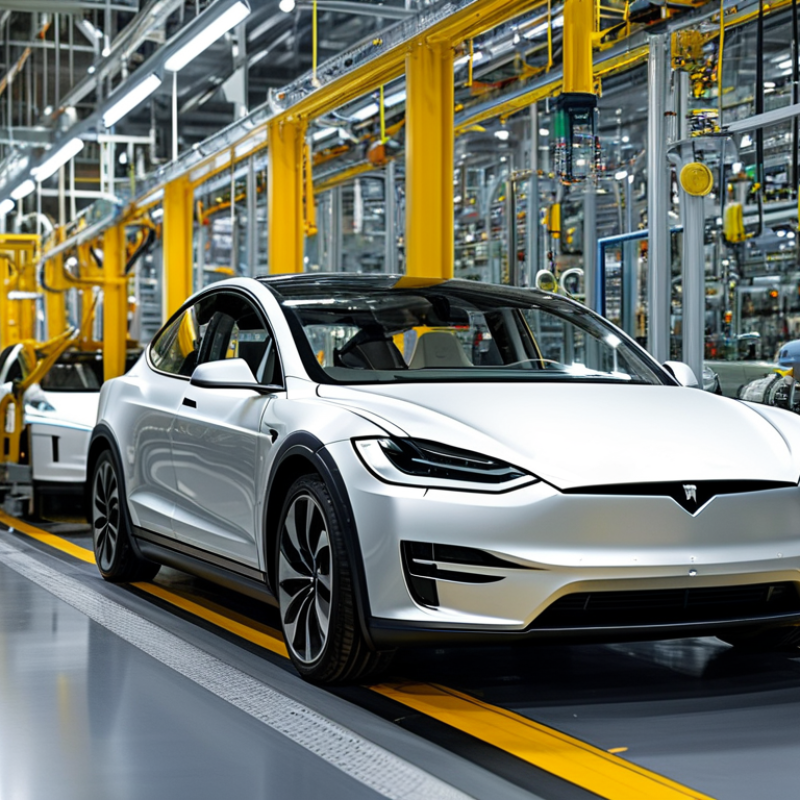
Identifying Key Challenges in Electric Vehicle Manufacturing
Electric vehicle (EV) manufacturing faces several
key challenges that require attention. One major hurdle is the supply chain.
The global sourcing of rare materials, such as lithium and
cobalt, can be unstable. Prices fluctuate, impacting production costs.
This inconsistency leads to delayed timelines and potential quality issues. Manufacturers often struggle to find
reliable partners to ensure steady material flow.
Another significant challenge is
battery production. Battery technology is evolving rapidly, but
current processes are complex and energy-intensive. Many manufacturers grapple with scalability.
They need to balance efficiency with environmental concerns. Missteps in battery development can lead to
safety risks, affecting consumer trust.
Moreover, workforce skills are a concern. The transition
to EV production requires specialized knowledge in software, electronics, and sustainable practices.
Training programs need to catch up. Insufficient skilled labor can hinder innovation and slow down manufacturing rates.
Addressing these gaps is critical for sustained growth
in the EV sector.
Assessing Supply Chain Limitations and Solutions
Electric vehicle (EV) manufacturing faces significant supply chain limitations. These challenges include sourcing raw materials, managing logistics, and maintaining quality control. A bottleneck in battery production is a primary concern. Battery components, such as lithium and cobalt, are often sourced from a limited number of countries. This creates risks related to price volatility and supply disruptions.
To navigate these challenges, manufacturers can adopt several strategies. Diversifying suppliers can mitigate risks. This involves establishing relationships with multiple sources for critical materials. Building local supply chains can reduce logistics costs and improve responsiveness. Moreover, investing in recycling programs for battery materials can help reclaim valuable resources.
Tips for manufacturers: establish robust monitoring systems. Stay abreast of market trends and actively engage with suppliers. Implementing risk assessments regularly helps identify potential supply chain vulnerabilities. Additionally, collaboration across the industry can lead to more sustainable practices. Learning from challenges is essential for growth and resilience. Balancing cost and sustainability requires careful consideration. Embracing innovation while addressing these limitations can pave the way for a more robust EV supply chain.
Challenges in Electric Vehicle Manufacturing Supply Chain
This chart illustrates the major supply chain challenges faced in electric vehicle manufacturing. The dimensions represent various factors affecting production, with the values indicating the level of impact observed in recent studies.
Innovations in Battery Technology for Improved Production
Innovations in battery technology are pivotal in overcoming challenges in electric vehicle (EV) manufacturing. The battery accounts for nearly 40% of an EV's production costs, highlighting the need for advancements. A recent report by the International Energy Agency noted that battery prices have dropped 89% in the past decade. This trend is crucial for making EVs more affordable and accessible to consumers.
Several new technologies are currently reshaping battery production. Solid-state batteries, for example, promise higher energy density and faster charging times. These innovations could significantly enhance the efficiency of EV manufacturing. However, challenges remain. For instance, scaling up production of solid-state batteries is a complex task. Manufacturing processes must adapt quickly to meet growing demands.
Recycling battery materials is another focus area. The Global Battery Alliance estimates that by 2030, used batteries could provide 70% of the raw materials needed for new batteries. This could lead to a more sustainable supply chain. Yet, establishing effective recycling processes poses operational challenges. Companies are investing heavily in research to address these issues, reflecting a commitment to responsible manufacturing practices.
How to Overcome the Biggest Challenges in Electric Vehicle Manufacturing? - Innovations in Battery Technology for Improved Production
| Challenge |
Impact on Production |
Innovative Solutions |
Potential Benefits |
| Material Supply Chain |
Delays in raw materials lead to production halts. |
Developing local supply sources and alternative materials. |
Reduced lead time and cost savings. |
| Battery Production Efficiency |
Inefficient processes slow down battery output. |
Automation and AI in manufacturing processes. |
Increased throughput and improved consistency. |
| Quality Control |
Defective batteries can cause safety issues. |
Advanced analytics for real-time quality monitoring. |
Enhanced safety and reliability of products. |
| Recycling and Sustainability |
Environmental regulations increase production costs. |
Innovative battery recycling technologies. |
Lower environmental impact and resource recovery. |
| Thermal Management |
Poor thermal performance can compromise battery lifespan. |
Innovative thermal interface materials (TIMs). |
Improved battery longevity and performance. |
Implementing Sustainable Practices in EV Manufacturing
Sustainability is crucial in electric vehicle (EV) manufacturing. Implementing green practices not only benefits the environment but also enhances efficiency. Companies should consider renewable energy sources for production. Utilizing solar or wind energy can reduce carbon footprints significantly.
Tips for sustainable practices:
- Use recyclable materials whenever possible.
- Optimize supply chains to minimize waste.
Another key area is water management. EV production often requires significant water resources. Facilities must invest in water recycling systems. This reduces both costs and environmental impact.
It's important to monitor supply chain ethics. Sourcing raw materials should align with sustainable practices. Engaging only with suppliers who follow eco-friendly guidelines is essential.
Tips for evaluation:
- Conduct regular audits of suppliers.
- Ensure transparency in sourcing processes.
Implementing sustainable practices may be challenging, requiring commitment and resources. Reflection on current practices is necessary for improvement. Small changes can lead to significant impacts in the long run.
Navigating Regulatory and Compliance Issues in the Industry
Navigating regulatory and compliance issues in electric vehicle manufacturing involves a complex landscape. Governments worldwide are establishing stringent regulations. These laws cover emissions, safety standards, and recycling protocols. Companies must stay updated with changing policies. Ignoring these can lead to significant penalties.
Building an effective compliance strategy is essential. It requires deep knowledge and understanding of local and international laws. Manufacturers need to invest in training. Staff should be well-versed in compliance measures. This is not just about avoiding penalties; it’s about fostering trust. Consumers want to know the vehicles they buy meet all safety and environmental standards.
The dynamic nature of regulations can be overwhelming. Collaboration with industry experts can provide valuable insights. Establishing partnerships with legal advisors can aid in understanding the nuances. Sometimes, companies struggle to meet compliance requirements. Reflection on past challenges is crucial. Learning from these experiences can lead to better practices.
Conclusion
Electric vehicle manufacturing faces several significant hurdles that must be addressed to ensure successful production and market growth. One of the most pressing questions in the industry is, what are the biggest challenges in electric vehicle manufacturing? Key challenges include supply chain limitations, where issues such as material shortages and logistical bottlenecks hinder production efficiency. Innovations in battery technology are crucial for improving both the performance and cost-effectiveness of EVs, as advancements can lead to faster production times and better energy storage solutions.
Moreover, implementing sustainable practices in the manufacturing process is essential to reduce the environmental impact of electric vehicles. This involves using eco-friendly materials and optimizing production methods to minimize waste. Finally, navigating the complex landscape of regulatory and compliance issues poses additional challenges for manufacturers, who must ensure that their products meet stringent safety and environmental standards. By addressing these challenges, the electric vehicle industry can pave the way for a more sustainable future.

 DCI Autos