How to Leverage Automation in EV Component Manufacturing?

Time:2026-08-26 Author:Amelia
0%

The landscape of electric vehicle (EV) component manufacturing is rapidly evolving. A significant driver of this change is automation. According to a recent report by the International Energy Agency, the demand for EVs is expected to reach 145 million by 2030. This surge emphasizes the importance of efficient manufacturing processes.

Experts highlight the influence of automation on operational efficiency. For instance, Dr. Rachel Wu, a seasoned analyst at the Automotive Manufacturing Institute, states, "Automation enhances precision and reduces costs, making it essential for sustainable growth in EV production." Her insights underscore the critical question: what role does automation play in EV component manufacturing?

Automation not only streamlines assembly lines but also improves quality control. However, it poses challenges that require careful consideration. Companies must balance investment in high-tech automation with the need for skilled labor. Identifying the right automation strategies remains an ongoing challenge within the industry.
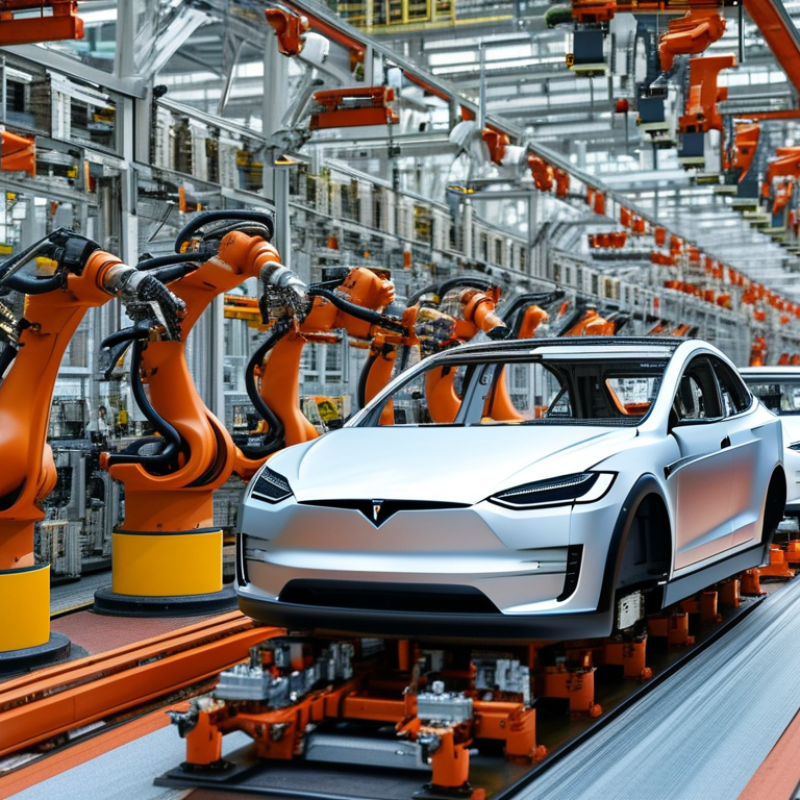
How to Leverage Automation in EV Component Manufacturing?

Understanding the Role of Automation in EV Component Manufacturing

In the rapidly evolving electric vehicle (EV) industry, automation has emerged as a crucial factor in component manufacturing. The rise in global demand for EVs is compelling manufacturers to adopt advanced automation technologies. According to a report by McKinsey, automation can increase productivity in manufacturing by up to 30%. This shift is evident in processes like battery assembly and circuit design, where precision and efficiency are paramount.

Utilizing robotics and AI in assembly lines not only streamlines production but also reduces labor costs. A study from the International Energy Agency indicates that automation could reduce error rates in component production by approximately 50%. However, the integration of automated systems requires significant upfront investment. Companies must weigh these costs against potential long-term savings.

Despite automation's benefits, challenges remain. There can be a steep learning curve for workers transitioning to new technologies. Moreover, reliance on automated systems can create vulnerabilities in supply chains. A disruption in technology can halt production, leading to delays. As manufacturers navigate these hurdles, the role of automation in enhancing efficiency remains a pivotal focus area in EV component manufacturing.

How Automation Impacts EV Component Manufacturing

This chart illustrates the percentage improvement in production efficiency for various EV components achieved through automation. As seen, Infotainment Systems show the highest efficiency improvement at 35%, indicating the significant role of automation in enhancing productivity in this area.

Identifying Key Components for Automation Implementation

In the rapidly evolving landscape of electric vehicle (EV) manufacturing, identifying key components for automation is crucial. The battery assembly process stands out as a prime candidate for automation. This step involves precise handling and integration of various materials, which can be streamlined through automated systems. However, achieving this requires careful calibration and high-quality sensors to ensure each component meets strict safety standards.

Another area to consider is the electric motor production. Automating rotor and stator assembly can enhance efficiency, but it can also introduce challenges related to component alignment and quality control. Implementing automation in this stage requires a deep understanding of motor design and manufacturing tolerances. Over-reliance on machines might lead to overlooking subtle variations, necessitating regular human oversight.

Additionally, the integration of AI into these processes offers great promise. By employing machine learning, manufacturers can analyze production data in real-time. Yet, this technology is not foolproof. Data anomalies can lead to incorrect assessments, making it essential to maintain a balance between automated decision-making and human intuition. Recognizing these potential pitfalls is key to a successful automation strategy in EV component manufacturing.

Evaluating Different Automation Technologies for EV Production

In the dynamic landscape of electric vehicle (EV) production, automation technologies have emerged as critical enablers for efficiency. Evaluating these technologies involves understanding their suitability for various manufacturing processes. Robotics, for instance, excels in repetitive tasks such as welding and assembly. Its precision reduces human error but requires a careful integration strategy to ensure a seamless workflow.

Vision systems represent another promising automation technology. These systems enhance quality control by inspecting components in real-time. While beneficial, they can sometimes overlook subtle defects. This suggests a need for a hybrid approach, combining human oversight with automation to address potential blind spots. Each technology must be tailored to the specific requirements of the EV components being produced.

Moreover, there are challenges in scaling these technologies. The initial investment can be substantial, and companies may face a learning curve. Continuous training and a responsive maintenance strategy are essential. As experts suggest, it's crucial to remain adaptable, assessing both performance data and worker feedback. This reflection ensures that automation advancements are aligned with production goals and workforce capabilities.

Establishing Workflow Integration for Automated Systems

Establishing workflow integration for automated systems in electric vehicle (EV) component manufacturing is essential. Integration allows seamless communication between machines, software, and operators. Effective integration reduces errors and enhances efficiency. Grounding workflows in automation improves speed while embedding quality checks during the manufacturing process.

Communication is key. Consider using data-driven insights for better decision-making. Regularly evaluate workflows to identify bottlenecks. Small adjustments can lead to significant improvements. Implementing feedback loops involving operators can highlight unforeseen issues in automation. This practice fosters a culture of continuous improvement.

Using automation tools can be daunting. Many manufacturers underutilize their software. Training employees on these systems boosts confidence and efficiency. Regular workshops help workers adapt to technology changes. They equip staff with troubleshooting skills, promoting ownership of the automated processes. Integration takes time, and patience is crucial as teams learn.

Measuring the Impact of Automation on Manufacturing Efficiency

Automation in EV component manufacturing is transforming how efficiency is measured. Manufacturers are implementing robotic systems and AI-driven processes to increase throughput. This shift not only enhances production speeds but also minimizes human error. However, relying too heavily on automation can sometimes lead to overlooked quality control issues. A balance must be found between speed and maintaining high standards.

Measuring the impact of automation is crucial. Key performance indicators (KPIs) can assess operational efficiency. Metrics like cycle time, defect rates, and output levels provide insights into automation's effectiveness. For instance, if defect rates increase post-automation, it signals a need for review. Furthermore, employee training plays a significant role in successful automation. Skilled workers are essential in navigating automated systems and ensuring smooth operations.

While automation offers advantages, it requires constant reflection. Are the gains in efficiency worth the initial investment? Are employees adapting well to these new technologies? Monitoring performance and employee feedback is critical for continuous improvement. A thoughtful approach ensures that automation enhances rather than hinders the production process.

FAQS

: What role does automation play in EV component manufacturing?

: Automation increases productivity, enhancing efficiency in tasks like battery assembly and circuit design.

How much can automation potentially increase manufacturing productivity?

Reports indicate automation can boost productivity by up to 30% in manufacturing.

What technologies are commonly used in EV production automation?

Robotics and vision systems are popular technologies; robotics is used for repetitive tasks and vision systems for quality control.

What are the main benefits of using robotics in assembly lines?

Robotics streamlines production, reduces labor costs, and minimizes human error.

Are there challenges in implementing automation technologies?

Yes, companies face steep learning curves and high upfront costs when integrating new automated systems.

How can automated systems affect supply chains?

Relying solely on automation can create vulnerabilities, as disruptions could halt production and lead to delays.

What is a potential downside of vision systems in quality control?

Vision systems may overlook subtle defects, highlighting the need for human oversight alongside automation.

Why is continuous training important in automation?

Ongoing training ensures workers can effectively use new technologies and adapt to changing production needs.

Should companies adopt a hybrid approach in automation?

Yes, integrating human oversight with automation can address potential gaps in quality and productivity.

How should companies assess their automation strategies?

Regularly evaluate performance data and gather worker feedback to align automation with production goals.

Conclusion

In the evolving landscape of electric vehicle (EV) component manufacturing, understanding what role does automation play in enhancing production processes is crucial. Automation stands as a transformative force, streamlining operations and optimizing efficiency. Key components for automation implementation include robotics, sensors, and advanced software systems that facilitate seamless integration into existing workflows.

Evaluating different automation technologies reveals various approaches, from robotic assembly lines to automated quality control systems, each contributing to increased precision and reduced labor costs. Moreover, the successful establishment of workflow integration for these automated systems is essential for maximizing productivity. Ultimately, measuring the impact of automation on manufacturing efficiency highlights significant gains in output and quality, positioning manufacturers to meet the growing demand for EVs in a competitive market.

Amelia

Amelia

Amelia is a seasoned marketing professional with a wealth of expertise in our company’s core offerings. With an unwavering passion for driving growth and innovation, she plays a pivotal role in shaping our marketing strategies and enhancing brand visibility. A key aspect of her responsibilities......