How Can Electric Vehicle Components Enhance Driving Range?

Time:2026-08-31 Author:Isabella
0%

As electric vehicles (EVs) become more prominent, understanding how can electric vehicle components improve driving range is vital. The driving range often represents a critical factor for consumers considering an EV. Enhancements in technology play a significant role in addressing range anxiety.

Advanced battery systems are one of the key components. High-density batteries store more energy, contributing to an extended driving range. Lightweight materials in vehicle design can reduce energy consumption, leading to greater efficiency. However, some manufacturers may compromise on weight for other features, which deserve scrutiny.

Additionally, efficient electric motors optimize power usage, further enhancing range. These motors convert energy into motion with minimal losses. It’s essential to analyze how various components interact within the vehicle. Making improvements in one area can sometimes lead to unexpected drawbacks elsewhere. Ultimately, advancements in EV technology continue to evolve, but the challenge remains in balancing innovation and practicality.
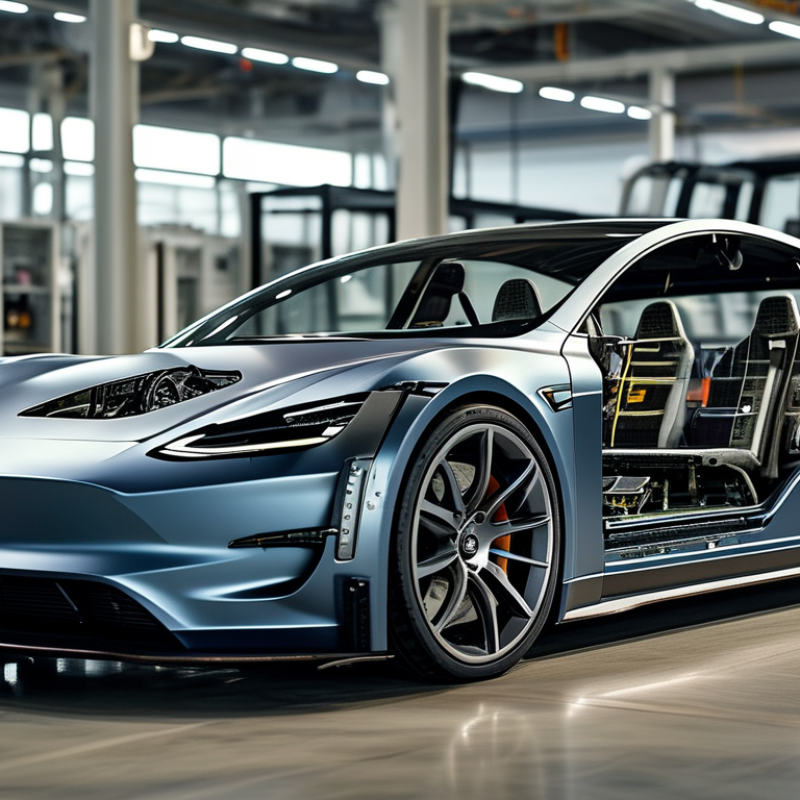
How Can Electric Vehicle Components Enhance Driving Range?

Components of Electric Vehicles and Their Role in Driving Range

Electric vehicles (EVs) rely on several key components to enhance their driving range. The battery is perhaps the most critical element. High-capacity lithium-ion batteries can store more energy. This allows vehicles to travel longer distances on a single charge. However, not all batteries are created equal. Some degrade faster than others, affecting performance over time.

Another vital component is the electric motor. It converts electrical energy into motion. Efficient motors can help maximize the available power from the battery. Regenerative braking is also important. This technology recovers energy during braking and reuses it, extending range. Yet, the effectiveness of this system can vary between vehicles.

Weight and aerodynamics play significant roles as well. Lighter vehicles require less energy to move. Streamlined designs reduce air resistance. These factors can improve driving range but are often overlooked in designs. Some consumers may prioritize aesthetics over function, impacting overall efficiency. Understanding these components can help improve EV performance and user experience.

Battery Technology Advancements for Extended Range in Electric Vehicles

Battery technology plays a crucial role in extending the driving range of electric vehicles. Recent advancements focus on increasing energy density, which directly impacts how far a vehicle can travel on a single charge. Lithium-ion batteries, once the gold standard, are evolving. New materials and chemistries, like solid-state batteries, are being explored for their potential to enhance safety and capacity.
While improving driving range is essential, challenges remain. The manufacturing of advanced batteries can be costly and time-consuming. Scalability is also a concern; transitioning to mass production requires innovative engineering solutions. Environmental impacts from raw material extraction and disposal have raised questions that must be addressed. Stakeholders must weigh the benefits of enhanced driving range against these sustainability issues.

Exploring alternative energy sources is also critical. Hydrogen fuel cells and other technologies offer promise but require further investment and development. As the electric vehicle market grows, the demand for more efficient batteries will increase. The future of electric vehicles hinges on overcoming these technical hurdles while ensuring that innovations are also environmentally friendly.

Electric Motor Efficiency and Its Impact on Driving Distance

Electric motors play a crucial role in enhancing the driving range of electric vehicles (EVs). Their efficiency directly impacts how far an EV can travel on a single charge. A highly efficient electric motor converts more energy from the battery into usable power, allowing the vehicle to drive longer distances. This efficiency is often measured in terms of energy conversion rates. A motor that achieves higher energy conversion will inevitably reduce the frequency of battery recharges.

To maximize range, drivers should keep an eye on their driving habits and vehicle maintenance. Smooth acceleration and maintaining a steady speed can significantly improve motor efficiency. This means avoiding abrupt start-and-stop actions. Reducing excess weight in the vehicle can also help. Each extra pound draws on energy reserves and diminishes range.

Another area of focus is regenerative braking. This technology recaptures energy during braking. By recharging the battery while slowing down, it effectively increases the overall driving distance. Understanding these systems allows drivers to make informed choices about their driving style. It’s important to experiment with different techniques to find what works best for individual driving needs.

Aerodynamic Design Features That Boost EV Driving Range

Aerodynamic design plays a crucial role in enhancing the driving range of electric vehicles. A well-crafted shape reduces air resistance, allowing the car to glide through the atmosphere more efficiently. Features like a smooth underbody and sleek roofline can significantly lower drag. This means the vehicle uses less energy to maintain speed, ultimately extending its range.

Another effective strategy involves optimizing the front grille and optimizing airflow around the wheels. These elements direct air in a way that minimizes turbulence. Every small modification counts. Designers must also consider real-world conditions. For example, even a slight misalignment can affect performance. Adjustments should be made to account for varied driving situations, such as city traffic versus highway travel.

Incorporating active aerodynamic features can be another game-changer. These systems can adjust elements, like spoilers, to adapt to speed changes. However, this technology also presents challenges. It requires precise engineering and can increase complexity. Balancing function and aesthetics is a task that often leads to debate within design teams. The goal remains clear: maximize efficiency while ensuring visual appeal.

How Can Electric Vehicle Components Enhance Driving Range? - Aerodynamic Design Features That Boost EV Driving Range

Component Aerodynamic Feature Impact on Range (%) Description
Front Spoiler Reduces airflow under the vehicle 5-10% Enhances downforce and decreases drag by directing air around the car's body.
Wheel Covers Smooth surface to minimize turbulence 3-7% Keeps air flowing smoothly around wheels, reducing drag caused by wheel rotation.
Rear Diffuser Aids in airflow transitioning at the rear 4-9% Helps to expedite air leaving the vehicle, thus reducing pressure and drag.
Underbody Panels Flat surface to streamline airflow 6-12% Covers various components underneath, creating a cleaner airflow profile.
Active Grille Shutters Opens and closes based on airflow needs 2-5% Improves aerodynamics by controlling airflow to the engine based on temperature.

Regenerative Braking Systems and Their Contribution to Range Enhancement

Regenerative braking systems play a crucial role in extending the driving range of electric vehicles (EVs). When a driver applies the brakes, the system captures energy that would otherwise be lost as heat. This energy is converted back into electricity, which is then stored in the vehicle's battery. This process not only improves efficiency but also enhances the overall driving experience.

The effectiveness of regenerative braking varies with driving styles and road conditions. City driving, with frequent stops, can significantly benefit from this technology. However, on the highway, where constant speeds are maintained, the impact may be less pronounced. Some drivers may find it challenging to adapt to the feel of regenerative braking, which can be different from traditional braking. This adjustment period can lead to inconsistent braking habits, causing frustration.

Understanding the limitations of regenerative braking is essential. While it can recover a portion of energy, it cannot replace the need for a well-designed battery system. Additionally, energy recovery is often less effective in cold weather, potentially impacting range. These factors remind us that while regenerative braking is a valuable tool for range enhancement, it must be coupled with broader strategies for energy management in electric vehicles.

Impact of Regenerative Braking on Electric Vehicle Driving Range

This chart illustrates the relationship between regenerative braking efficiency and driving range enhancement for electric vehicles. As efficiency increases, the driving range also improves significantly, demonstrating the critical role regenerative braking systems play in maximizing the driving distance of electric vehicles.

FAQS

: What is the most critical component of electric vehicles?

: The battery is crucial. High-capacity lithium-ion batteries store more energy for longer travel distances.

How does an electric motor affect driving range?

Efficient motors convert more battery energy into motion, enhancing driving range and reducing recharge frequency.

What is regenerative braking and its benefit?

Regenerative braking recovers energy during braking, recharging the battery and extending overall driving distance.

How do weight and aerodynamics influence EV range?

Lighter vehicles need less energy. Streamlined designs reduce air resistance, improving range but often overlooked.

What driving habits can enhance electric motor efficiency?

Smooth acceleration and steady speed can significantly improve motor efficiency. Avoid abrupt movements.

How can vehicle maintenance impact electric driving distance?

Regular maintenance supports optimal performance. Issues can lead to reduced efficiency and range.

What are some aerodynamic design features that help EVs?

A smooth underbody and sleek roofline reduce drag, helping to extend driving range through better energy use.

Why is real-world testing important for EV designs?

Real-world conditions can affect performance. Minor adjustments are necessary for various driving situations.

Are active aerodynamic features beneficial for electric vehicles?

Yes, they can adapt to speed changes. However, they add complexity and require careful engineering.

What should designers balance in EV design?

Designers need to balance functionality and aesthetics. Compromises often arise during this process.

Conclusion

Electric vehicles (EVs) rely on various components that significantly enhance their driving range. Key advancements in battery technology, including higher energy density and faster charging capabilities, allow for longer distances on a single charge. Additionally, the efficiency of electric motors plays a crucial role in determining how can electric vehicle components improve driving range, as optimized motors convert more energy into movement.

Furthermore, innovative aerodynamic designs minimize drag, contributing to improved efficiency and extended range. Regenerative braking systems also play a vital part by converting kinetic energy back into usable power, further enhancing the driving distance of EVs. Together, these elements highlight how various components work in harmony to elevate the performance and practicality of electric vehicles.

Isabella

Isabella

Isabella is a dedicated marketing professional with a sharp focus on driving brand growth and engagement through strategic content creation. With an extensive background in digital marketing, she combines her passion for storytelling with her keen understanding of industry trends to deliver......