Electric vehicles (EVs) are transforming the automotive landscape. However, understanding what are common failures in electric vehicle systems is crucial for consumers and manufacturers alike. According to a study by the International Council on Clean Transportation, the global EV market grew by 43% in 2020, reflecting a promising shift towards sustainable transportation. Yet, this rapid expansion does not come without challenges.
Common issues in EV systems include battery degradation, software malfunctions, and charging infrastructure limitations. Research from the National Renewable Energy Laboratory shows that battery failure accounts for nearly 30% of EV breakdowns. Such statistics highlight the need for ongoing innovation in battery technology and system design.
Manufacturers and consumers must acknowledge these pitfalls. A lack of transparency can lead to distrust in EV technology. The industry should focus on improving reliability. Addressing these failures comprehensively will enhance consumer confidence and drive further adoption of electric vehicles.
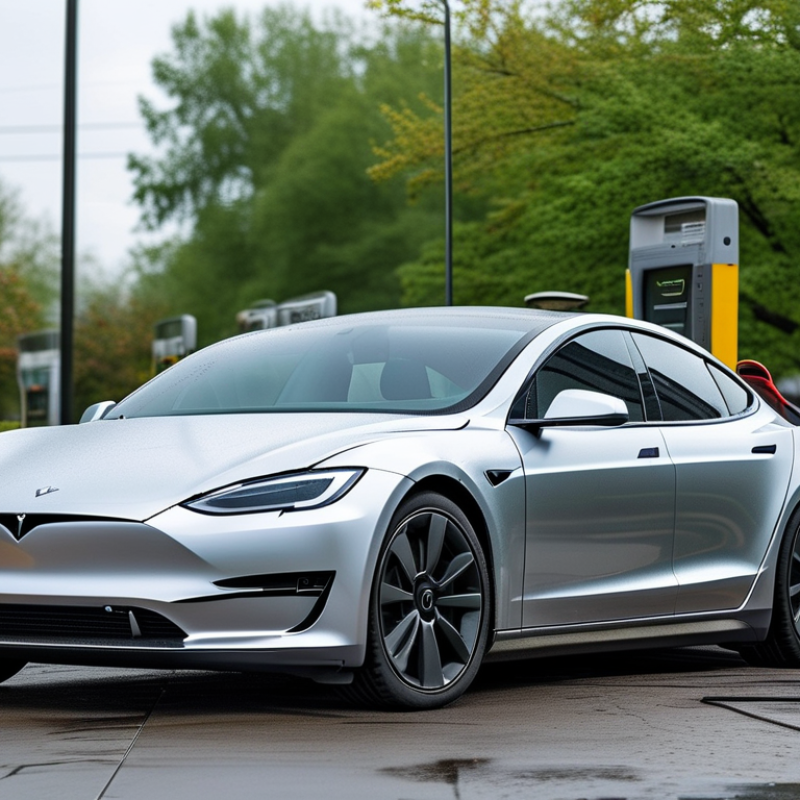
Electric vehicle batteries face a range of common failures that can significantly impact performance. One primary issue is premature degradation. Batteries may lose capacity faster than expected due to extreme temperatures or poor charging habits. This can lead to reduced driving range and higher replacement costs. Drivers should understand the importance of temperature management and follow recommended charging practices.
Short circuits are another frequent problem. They can occur due to manufacturing defects or damage from external factors. Such failures can cause batteries to overheat and pose safety risks. Understanding the signs of a short circuit, like unusual smells or swelling, is crucial for timely intervention. Regular inspections can help identify potential problems before they become critical.
Additionally, electrode wear can lead to efficiency losses. Over time, the materials within the battery break down, impacting energy retention. This slow decline can be frustrating for users, as it often goes unnoticed until performance drops sharply. Awareness of these issues is important for maintaining optimal battery health, ensuring a reliable electric vehicle experience.
| Failure Type | Description | Impact on Vehicle Performance | Potential Causes |
|---|---|---|---|
| Battery Degradation | Loss of capacity over time due to chemical reactions. | Reduced range and performance; increased charging frequency. | Temperature extremes, deep discharges, frequent fast charging. |
| Battery Thermal Runaway | Excessive heat buildup leading to fire or explosion. | Loss of vehicle functionality; safety hazards. | Manufacturing defects, short circuits, or external damage. |
| Cell Imbalance | Differential charging and discharging rates among cells. | Decreased overall battery efficiency; potential failure of individual cells. | Manufacturing inconsistencies or poor battery management system (BMS). |
| Electrolyte Leakage | Loss of electrolyte fluid, causing internal corrosion. | Decreased capacity and potential damage to battery structure. | Physical damage, improper installation, manufacturing flaws. |
| Short Circuits | Direct electrical connection between terminals, leading to damage. | Complete battery failure, loss of vehicle power. | Damaged insulation, moisture ingress, or manufacturing defects. |
: Common issues include faulty connectors and weak battery management systems. These can impede charging and pose safety risks.
A failure can leave drivers stranded and may prevent any charge from being delivered at charging stations.
Inconsistent charging can damage the battery over time, negatively impacting its performance and lifespan.
Users should watch for unusual sounds, smells, or other abnormal signs while charging their EV.
Users should avoid frequent use of fast chargers and monitor battery health regularly to prevent degradation.
It keeps critical components from overheating, affecting overall performance; ensuring proper ventilation helps mitigate risks.
Outdated software can hinder system efficiency; keeping it updated is essential for optimal performance.
Regular inspections help identify wear and potential issues with wiring and connections before they escalate into serious problems.
Understanding and adapting to EV-specific driving habits can enhance longevity and overall performance of the vehicle.
A focus on preventive maintenance aims to extend the life of the vehicle and its components through regular checks and proper care.
Electric vehicles (EVs) have revolutionized the automotive industry, but understanding what are common failures in electric vehicle systems is essential for owners and manufacturers alike. Common issues include battery failures, which significantly impact performance and range, and charging system malfunctions that can hinder the ability to recharge efficiently. Additionally, software glitches present critical challenges for functionality, potentially leading to erratic behavior and decreased reliability. Mechanical failures related to components such as motors and braking systems also pose risks to safety and performance.
To mitigate these issues, recognizing the symptoms of common failures and implementing proactive maintenance strategies is vital. Regular diagnostics and updates can prevent software-related problems, while routine checks on battery and charging systems can enhance longevity and reliability. By educating users about these common failures and promoting preventive measures, the overall reliability and safety of electric vehicles can be significantly improved.

 DCI Autos